
How to lift heavy safely during pregnancy according to latest science
I lift because I want to be strong for life, and I believe strength work is one of the best investments a woman can make for pregnancy, childbirth, and the months after. If you are a woman who lifts weights regularly, you probably have questions about safety, myths, and what the research actually says. I have trained throughout pregnancy and dug into the literature so you can have an evidence-informed approach that respects your experience and your goals.
Bottom line: For most healthy, moderately experienced lifter gals with uncomplicated pregnancies, continuing heavy resistance training - scaled appropriately and performed with sensible precautions - appears to be safe and beneficial. Many blanket restrictions on lifting are workplace rules and do not apply to trained athletes in the gym.
Why the confusion? Outdated rules versus athletic training
It puzzles me that a lot of mainstream advice tells pregnant women to not lift over 20 pounds, to avoid bending, or to never pick up anything below knee level. Those recommendations often come from workplace safety guidelines developed decades ago for broad populations—not from research on athletes.

Workplace limits exist to protect a wide variety of people who must perform repetitive, unplanned, or unprepared lifting during long workdays. Those rules are necessary in that context. They are not designed for people who warm up, monitor their bodies, and deliberately train in the gym. Because of that mismatch, the same limits are frequently and incorrectly applied to fit, strength-trained women.
If you are an active woman who trains regularly with a non-complicated pregnancy - you should not be lumped into the same box as someone performing unsupervised manual labor eight hours a day. Individual factors like body size, training history, and overall health matter.
What the research actually shows
The research base is growing, and while studies on pregnant athletes are understandably fewer and smaller than other areas, the available evidence is encouraging.
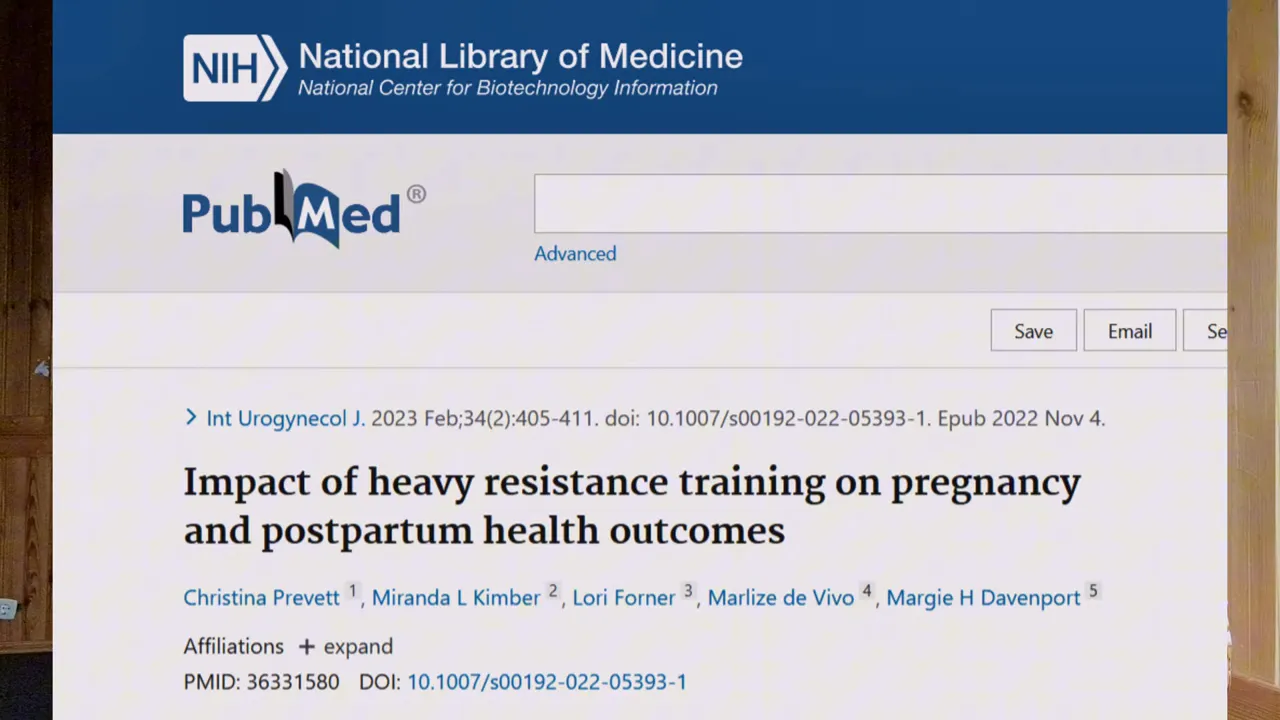
Large CrossFit/powerlifting cohort (2023) — A study led by Christina Prevett followed hundreds of women who continued heavy lifting during pregnancy, including lifts at 80 to 85 percent of one-rep max. The cohort included CrossFit athletes and other competitive lifters. The study reported no increase in pelvic organ prolapse or unique postpartum complications compared with non-athletic women. In short, heavy prenatal resistance training did not change typical prenatal or pelvic floor health outcomes.
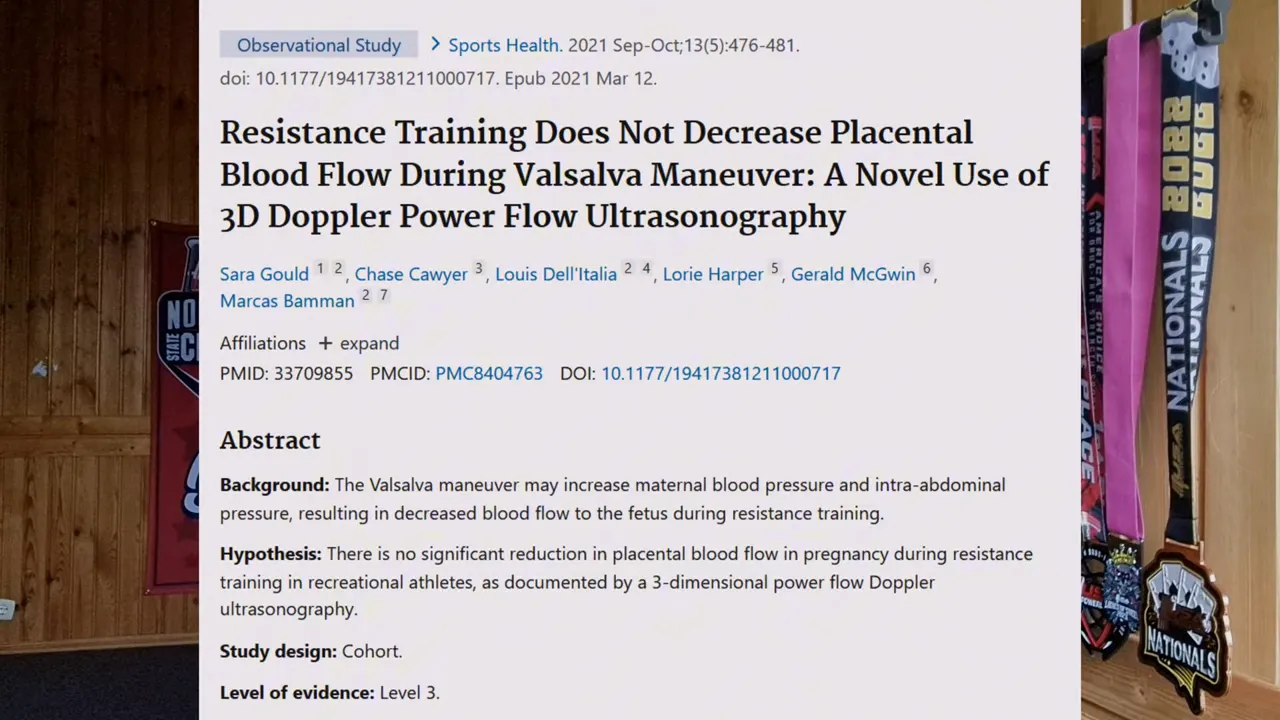
Placental blood flow and Valsalva (2021) — A small study using 3D Doppler power flow found that resistance exercise with Valsalva did not decrease placental blood flow. The sample was limited to 22 recreationally active women, so we should be cautious about generalizing. Still, the data counters the common assumption that breath-holding during lifts catastrophically reduces fetal perfusion.
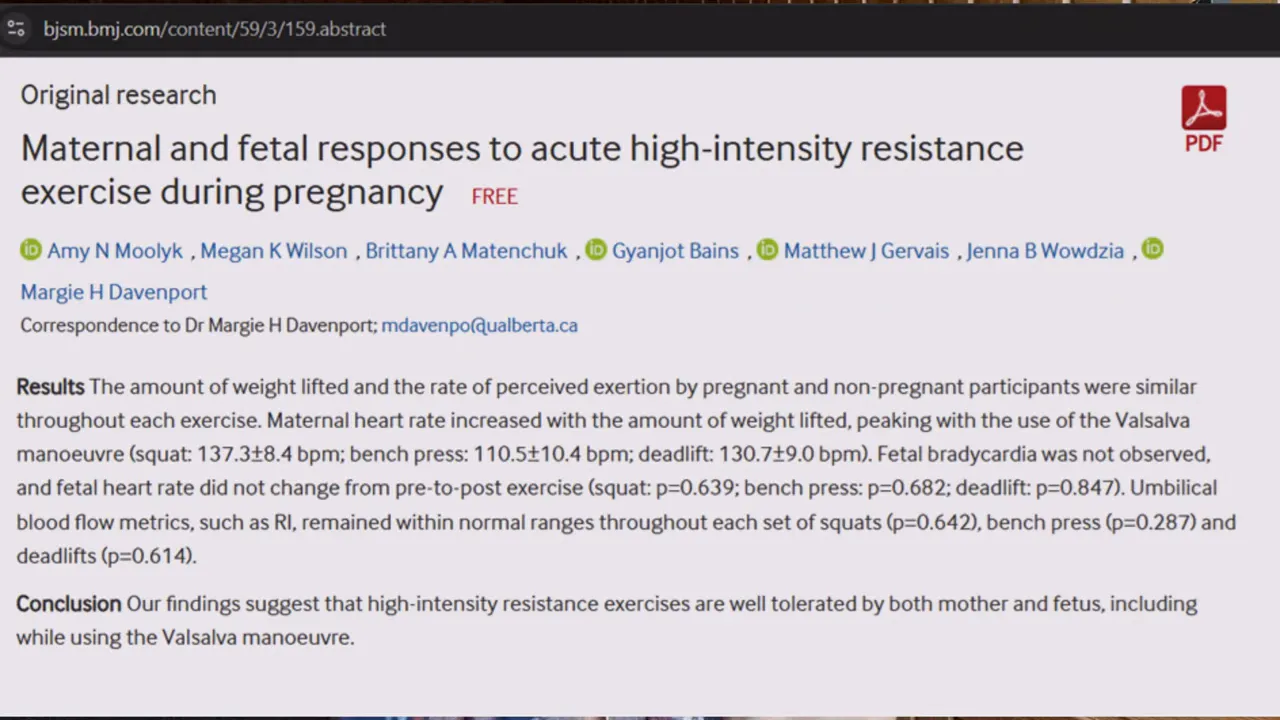
Acute high-intensity resistance exercise (2025) — Newer experimental work assessed maternal and fetal responses when trained lifters performed heavy sets up to high intensities during early pregnancy. Measured variables included fetal heart rate, maternal heart rate, blood pressure, and glucose. The authors concluded that trained power lifters performing regular resistance sessions three or more times per week could safely train up to roughly 85 percent of their normal intensity in early pregnancy, provided intra-abdominal pressure is managed appropriately.
Pelvic floor response to heavy lifts (2024) — An experimental crossover study of strength-trained women measured the acute effect of heavy lifts on pelvic floor muscles. Women squatted and deadlifted at 75 to 85 percent of one-rep max and showed no immediate loss of pelvic floor function. These findings suggest that properly trained women can tolerate heavy loads without detrimental short-term pelvic floor effects.
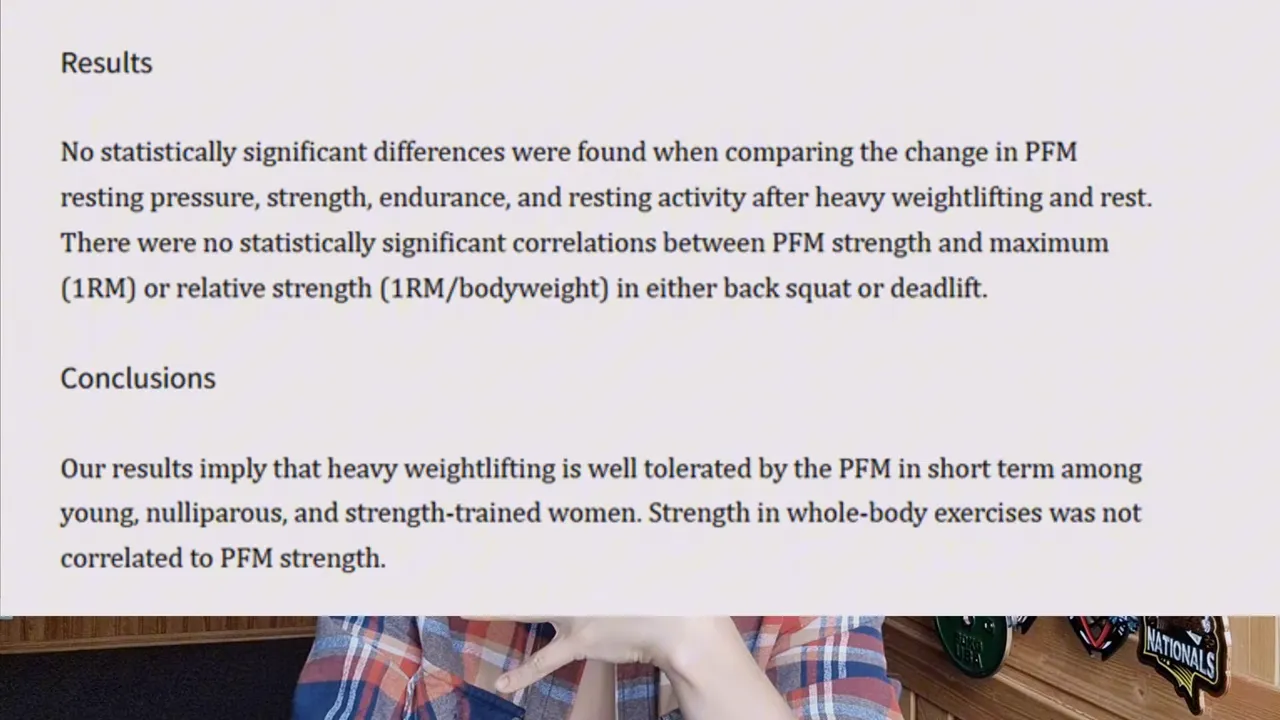
Across these and other studies, a repeating theme emerges: when athletes continue structured resistance training—rather than random heavy lifting without preparation—they do not show the catastrophic outcomes that some old-school advice predicts.
Common concerns: Valsalva, supine lifting, belts, and breathing
Several topics come up again and again in conversations about pregnant strength training:
- Valsalva maneuver. Holding your breath to brace intra-abdominal pressure is a familiar tool in heavy lifting. Some experts caution against it during pregnancy. The evidence is mixed. Several small studies and case series did not find adverse fetal outcomes when trained women used Valsalva. If you decide to avoid it, diaphragmatic breathing—slow inhale on the descent, controlled exhale on the ascent—works well for moderate loads.
- Supine (lying on your back) lifting. Lying flat for prolonged periods is generally avoided in later pregnancy due to potential vena cava compression. Heavy supine lifts are typically cautioned against in the third trimester. Modify positions or limit supine work when the belly is large.
- Belts. Lifting belts increase intra-abdominal pressure and support the spine. There is limited research on belt use in pregnancy. Many lifters remove the belt as the belly grows because it interferes with positioning. Belt decisions should be individualized and discussed with an informed provider.
- Overheating and hydration. Avoid excessive heat, stay hydrated, and don’t push cardiovascular extremes in high ambient temperature settings.
If you prefers to hold breath for maximal attempts, consider that many coaches recommend reducing absolute load and choosing safe breathing strategies as pregnancy progresses.
Benefits of continuing resistance training while pregnant
Training through pregnancy is not just about “not breaking things.” There are clear advantages backed by research:
- Bone density and long-term health. Resistance training helps maintain and build bone density, lowering the risk of osteoporosis later in life.
- Muscle mass and functional strength. More muscle improves ability to carry children, groceries, and manage sudden changes in physical demand during postpartum recovery.
- Reduced risk of gestational diabetes. Meta-analyses and individual trials indicate that physical activity during pregnancy lowers the risk of gestational diabetes mellitus—some estimates show a reduction of about 36 percent. Stronger training and more frequent sessions produced better reductions.
- Improved joint stability and balance. As the center of mass shifts forward, trained lifters often experience better coordination and lower fall risk thanks to neuromuscular adaptations.
- Faster recovery. Stronger tissues and fitness generally equate to faster recovery after delivery and a smoother return to daily life.

Those benefits shape my personal approach: maintain a strength baseline that makes everyday life easier and supports postpartum recovery rather than aiming for maximal competitive performance while the body is changing.
Pelvic floor, diastasis recti, and risk management
Pelvic floor dysfunction and diastasis are common concerns. The narrative that heavy lifting inevitably causes pelvic organ prolapse is simplistic.
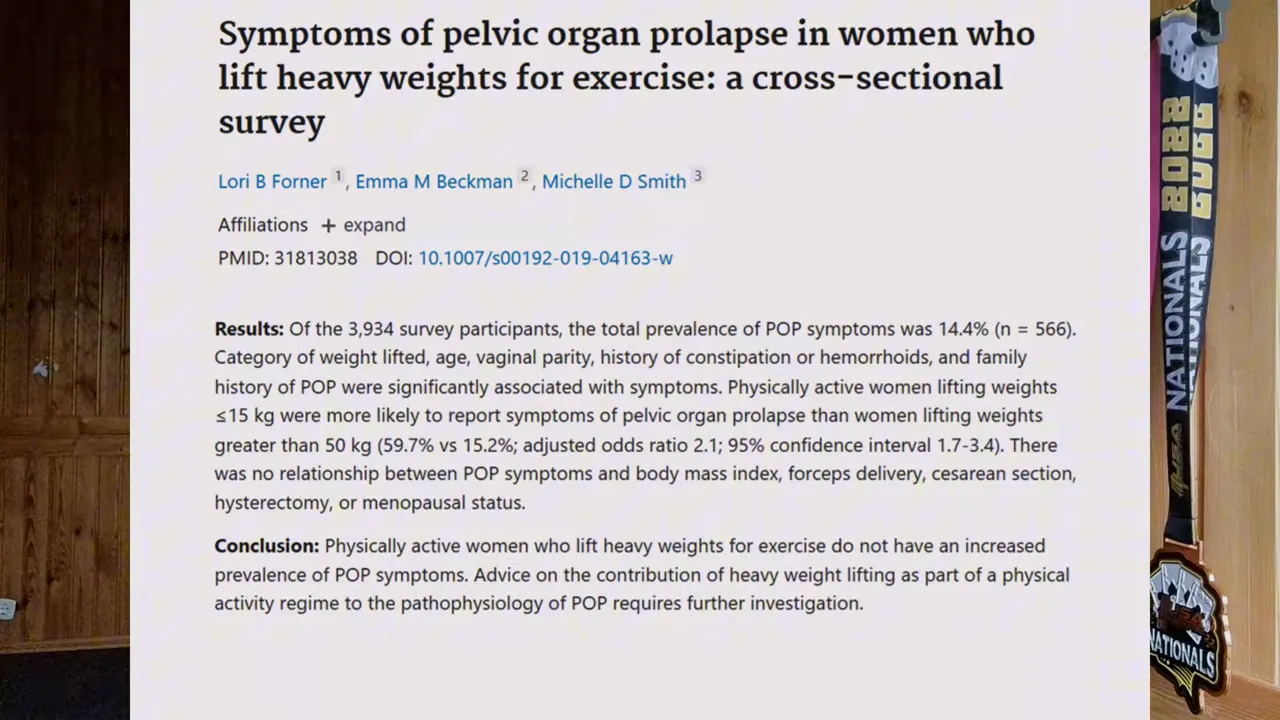
For example, a 2020 cross-sectional study found more pelvic prolapse symptoms in women lifting lighter weights for exercise compared with women lifting heavier weights. That paradox may reflect differences in technique, conditioning, or reporting. Risk factors for prolapse are multifactorial: childbirth history, chronic coughing, constipation, connective tissue differences, and more all play roles.
Prioritize controlled technique, progressive loading, and pelvic floor awareness. If you have a known pelvic floor issue, consult a pelvic health physical therapist who understands strength training.
Practical programming tips for pregnant lifters
Design training with care. The following practical suggestions reflect both research and on-the-floor coaching experience:
- Individualize intensity. If you trained heavy before pregnancy, continuing to 65 to 85 percent of your one-rep max in early to mid-pregnancy can be reasonable for many lifters. Scale down as needed for comfort and safety as the body changes.
- Avoid maximum single-rep attempts. Submaximal work preserves fitness without unnecessary risk.
- Watch position choices. Avoid prolonged supine work in later trimesters. Modify bar path and stances to maintain comfort and reduce undue abdominal compression.
- Prioritize breathing and bracing. Use diaphragmatic breathing if Valsalva feels uncomfortable. If you use Valsalva, do so in a way that feels controlled and safe for you.
- Keep warm-ups thorough. A consistent warm-up reduces injury risk and prepares the nervous system for safe lifts.
- Hydration and temperature. Keep fluids up and avoid hot environments.
- Progress gradually. Pay attention to cumulative fatigue; reduce volume or frequency if recovery suffers.
- Listen and verify. "Listen to your body" is a good starting point, but also combine that feedback with objective signs—blood pressure, fetal movement monitoring after sessions if concerned, and professional guidance when needed.
My own approach changed across trimesters. I started more conservatively, worked back up to hip-to-hip challenging loads in the second trimester, and adjusted positions and technique as my belly grew. For bench pressing I could continue heavier longer because it did not compromise my arch early on. I dropped the belt as the belly interfered with position.

Workplace lifting guidance versus gym training
Remember that many official lifting limits were created for occupational safety. They aim to protect a broad population of pregnant workers and are intentionally conservative. They are not intended as prescriptive guidelines for athletes whose daily lives include deliberate training, warm-ups, and progressive overload.
If you work a physically demanding job, follow workplace guidelines. If you train in the gym, you can follow evidence-based training practices tailored to your body and goals.
When to slow down or stop
Even with supportive data, pregnancy is not a green light to ignore warning signs. Stop or modify training and seek medical advice if you experience any of the following:
- Vaginal bleeding
- Persistent dizziness or fainting
- Reduced fetal movement or other fetal concerns
- Persistent severe abdominal pain or contractions
- Signs of preterm labor
- Significant leakage of fluid
Training should be pleasurable and confidence-building, not anxiety-inducing. If you feel unsure, consult a pelvic health physical therapist or an obstetric provider who understands athletes. Prefer providers who can discuss the evidence and adapt recommendations to your training history.
FAQs
Should I use a belt?
Belts can help with bracing, but many women find belts uncomfortable as the belly grows. There is limited research on belts in pregnancy. If using a belt, make decisions based on comfort and technique, and reduce belt reliance when it interferes with positioning.
Is Valsalva dangerous?
Evidence does not uniformly support the idea that the Valsalva maneuver is definitively harmful when used by trained lifters during early pregnancy. It may be prudent to favor diaphragmatic breathing during later trimesters or when heavier loads would make breath-holding uncomfortable.
Will lifting cause pelvic organ prolapse?
Current data do not show that trained women who lift heavy necessarily have worse pelvic floor outcomes than non-lifters. Pelvic floor health depends on many factors. Technique, progressive loading, and pelvic floor training are important.
Final thoughts
I am convinced that many women benefit from continuing resistance training through pregnancy. The narrative that all pregnant women should stop lifting or only lift tiny loads is an oversimplification. Evidence supports maintaining strength with prudent adaptations and the right professional support when needed.
"It is safer than we used to believe to lift during pregnancy."
Train smart. Monitor recovery. Seek informed medical or pelvic health guidance when you have concerns. Your training history, current health, and the specifics of your pregnancy matter far more than one-size-fits-all numbers printed on workplace posters. Strength is a tool that will serve you through pregnancy, childbirth, and beyond—use it thoughtfully.

If you want to explore sample adjustments, programming templates, or nutrition strategies for a plant-based approach while training through pregnancy, reach out to a coach or pelvic health specialist who understands strength athletes. You deserve a plan that respects both your athletic identity and the realities of pregnancy.
Ready to take your training to the next level, get stronger, improve your diet? |
|
Our team is here to help! Select from a list of our signature 1:1 custom programs or self-guided courses |
| See Programs |
Citations:
Dr Prevett’s Study on women lifting up to 80% 1RM during 2 trimester
https://pubmed.ncbi.nlm.nih.gov/36331580/
An Academy of the American Physical Therapy Association Pelvic Health Recommendations
Gould S, Cawyer C, Dell'Italia L, Harper L, McGwin G, Bamman M. Resistance Training Does Not Decrease Placental Blood Flow During Valsalva Maneuver: A Novel Use of 3D Doppler Power Flow Ultrasonography. Sports Health. 2021 Sep-Oct;13(5):476-481. doi: 10.1177/19417381211000717. Epub 2021 Mar 12. PMID: 33709855; PMCID: PMC8404763.
https://pubmed.ncbi.nlm.nih.gov/33709855/
16:27 Cassy F. Dingena, Physical activity in pregnant women lowers the risk of gestational diabetes by 36% https://doi.org/10.3390/nu15020323
16:56 Forner, L. B., Beckman, E. M., & Smith, M. D. (2020). Symptoms of pelvic organ prolapse in women who lift heavy weights for exercise: a cross-sectional survey. International urogynecology journal, 31(8), 1551–1558. https://link.springer.com/article/10.1007/s00192-019-04163-w
Uterine Prolapse Risks and Causes - Mayo Clinic https://www.mayoclinic.org/diseases-conditions/uterine-prolapse/symptoms-causes/syc-20353458
https://www.mayoclinic.org/diseases-conditions/pelvic-organ-prolapse/symptoms-causes/syc-20360557
Moolyk AN, Wilson MK, Matenchuk BA, et alMaternal and fetal responses to acute high-intensity resistance exercise during pregnancyBritish Journal of Sports Medicine 2025;59:159-166.
https://pubmed.ncbi.nlm.nih.gov/39694629/
Skaug, K. L., Engh, M. E., & Bø, K. (2024). Acute Effect of Heavy Weightlifting on the Pelvic Floor Muscles in Strength-Trained Women: An Experimental Crossover Study. Medicine and science in sports and exercise, 56(1), 37–43.
Dingena CF, Arofikina D, Campbell MD, Holmes MJ, Scott EM, Zulyniak MA. Nutritional and Exercise-Focused Lifestyle Interventions and Glycemic Control in Women with Diabetes in Pregnancy: A Systematic Review and Meta-Analysis of Randomized Clinical Trials. Nutrients. 2023; 15(2):323.
https://pubmed.ncbi.nlm.nih.gov/36678193/