
Step Ups & Step Downs: Essential Glute and Hamstring Exercise
When it comes to building strength and muscle, especially for women mastering foundational movements is key. Among these foundational exercises, step ups and step downs stand out as highly effective for developing the glutes, hamstrings, and overall lower body strength. These simple yet powerful movements not only improve your muscle development but also enhance your performance in major lifts like the squat, bench press, and deadlift.
In this comprehensive guide, I’ll walk you through the nuances of step ups and step downs, explain the difference between the two, and share tips to maximize their effectiveness. Whether you're just starting out or looking to refine your technique, understanding these exercises will help you get the most out of your training sessions.
Understanding Step Ups and Step Downs: What’s the Difference?
At first glance, step ups and step downs might seem like straightforward exercises—after all, they mimic everyday movements like walking up and down stairs. However, there’s an important distinction that affects how you train and which muscles you target.
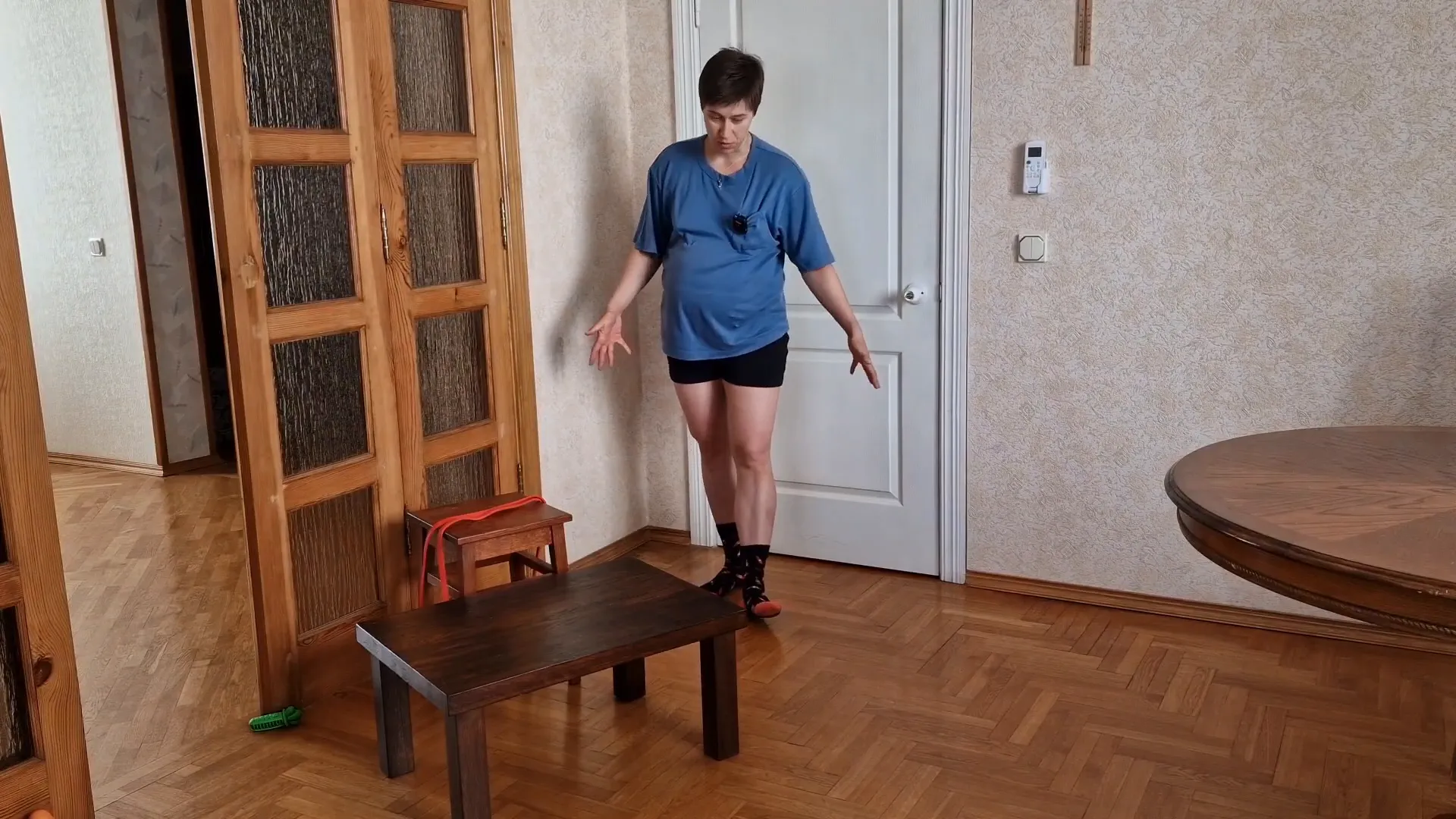
Step ups focus on the positive portion of the movement—getting your body up onto an elevated surface. This concentric phase emphasizes muscle contraction as you push through your foot to lift your body weight upward.
On the other hand, step downs emphasize the negative portion—the controlled descent as you lower your body back down to the floor. This eccentric phase is just as important because controlling the downward movement builds strength and stability in the muscles involved.
Both exercises should be done with control and precision. You can perform them for a set number of repetitions, or use tempo training to increase time under tension, depending on your coach’s program or your personal goals.
Why Focus on Step Ups and Step Downs?
You might wonder why spending time on something as seemingly simple as stepping up and down matters in a powerlifting context. After all, aren't squats, deadlifts, and bench presses enough? The truth is, these exercises complement your main lifts by targeting muscles in a functional way that mimics real-life movements.
When I coach, I often notice that people perform these movements in a way that does not optimally engage the glutes and hamstrings. Instead, they sometimes rely too much on momentum or other muscle groups, which limits strength gains and muscle development. My goal is to help you not just move your body through space but to get the most muscle activation and strength benefits from each exercise.
Step ups and step downs are particularly valuable because they:
- Target the glutes, hamstrings, quadriceps, and calves effectively.
- Improve unilateral leg strength, helping to correct imbalances between legs.
- Enhance control and stability, which translates to better technique in compound lifts.
- Can be easily modified to suit your current strength and mobility level.
How to Perform Step Ups Correctly
Let’s dive into the technique of step ups, because how you do them makes all the difference.
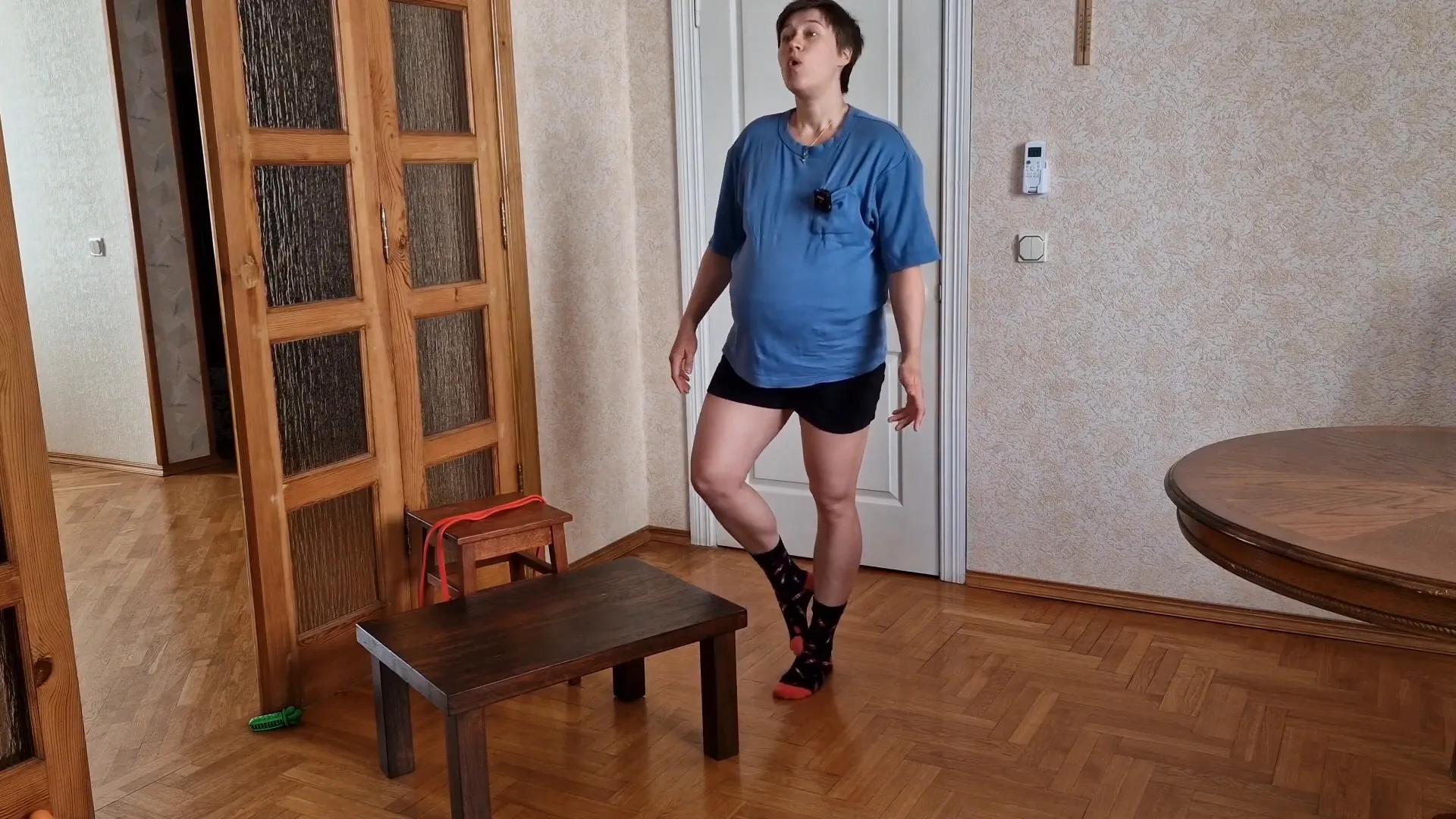
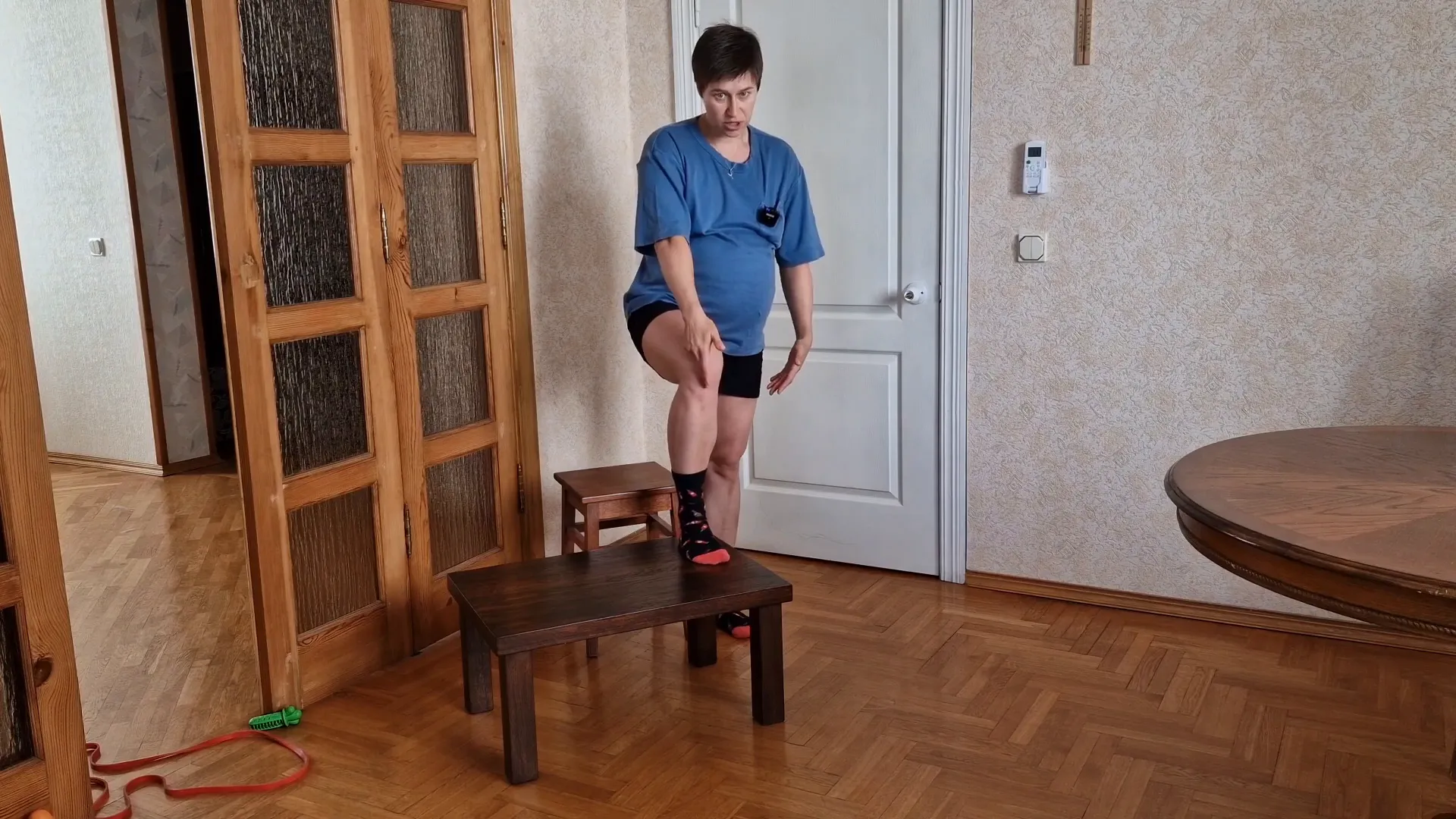
Start by placing one foot firmly on an elevated surface. The height of this step matters: if it’s too high, you might compensate by pushing off the lower leg or using momentum, which reduces the exercise’s effectiveness. If it’s too low, you might not get enough muscle activation.
Your goal is to use only the leg on the elevated surface to push your body up. This means you should avoid jumping or pushing off the leg that remains on the ground. If you find yourself doing that, it’s a sign the step height is too high for you right now, and you should lower it.
When stepping up:
- Focus on moving your body weight onto the elevated leg.
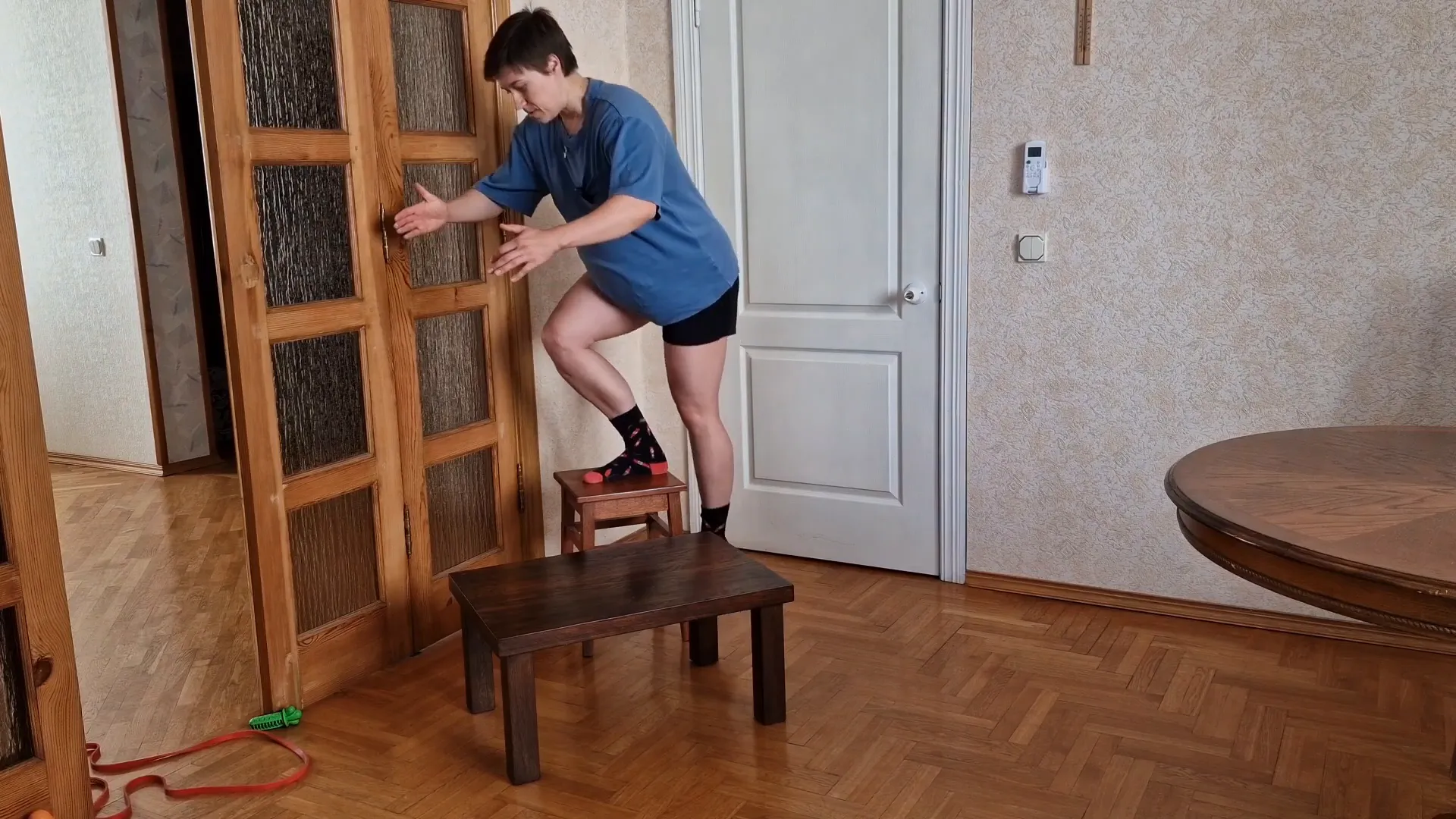
- Keep your hip, knee, and toe aligned to minimize unnecessary hip popping or twisting.
- Control your movement as you rise, avoiding any sudden jerks or using your arms excessively for momentum.
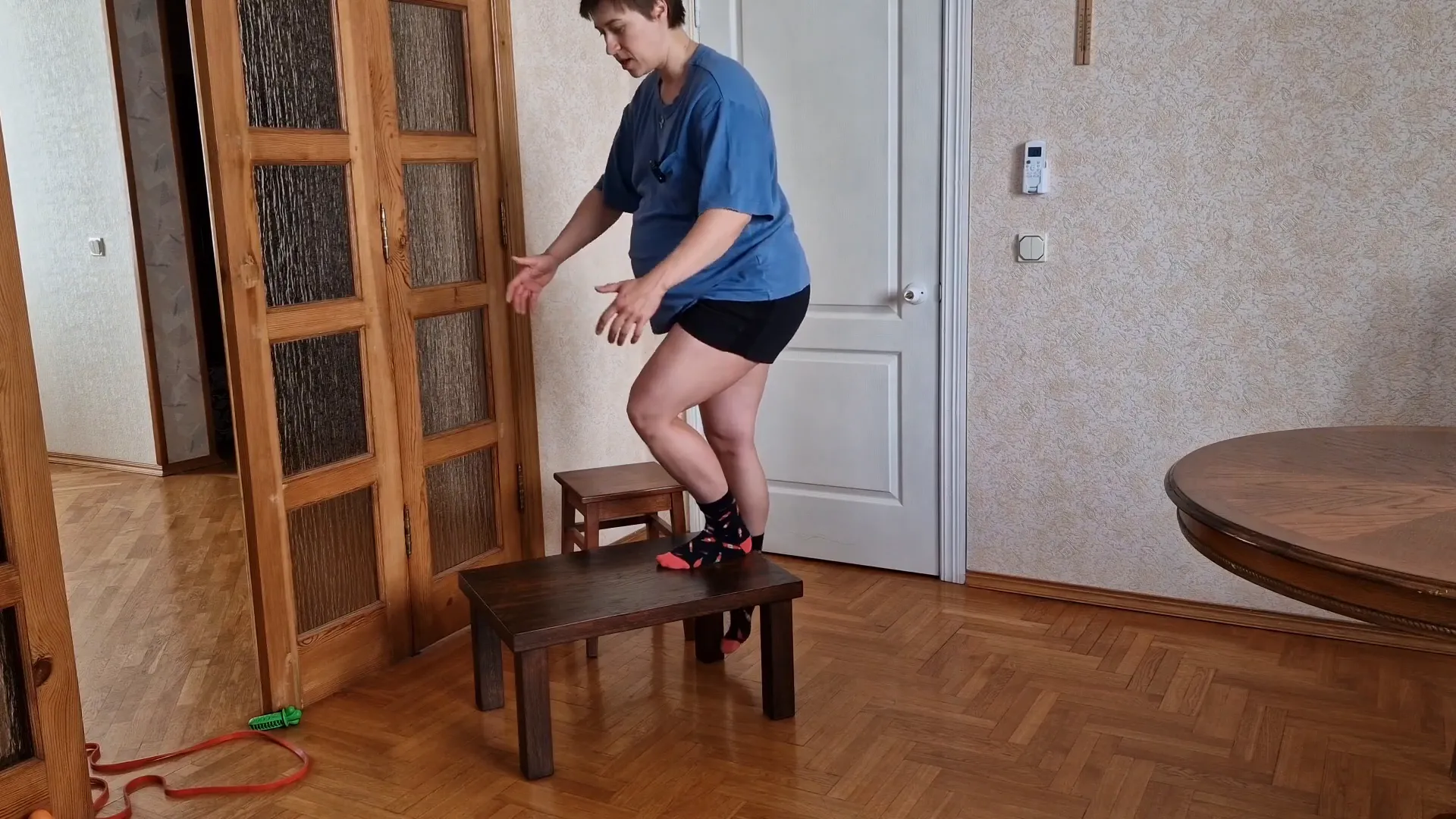
Once you’re fully on top of the step, slowly lower yourself back down using the same leg. This controlled descent is equally important for muscle development.
Step Up Height and Progression
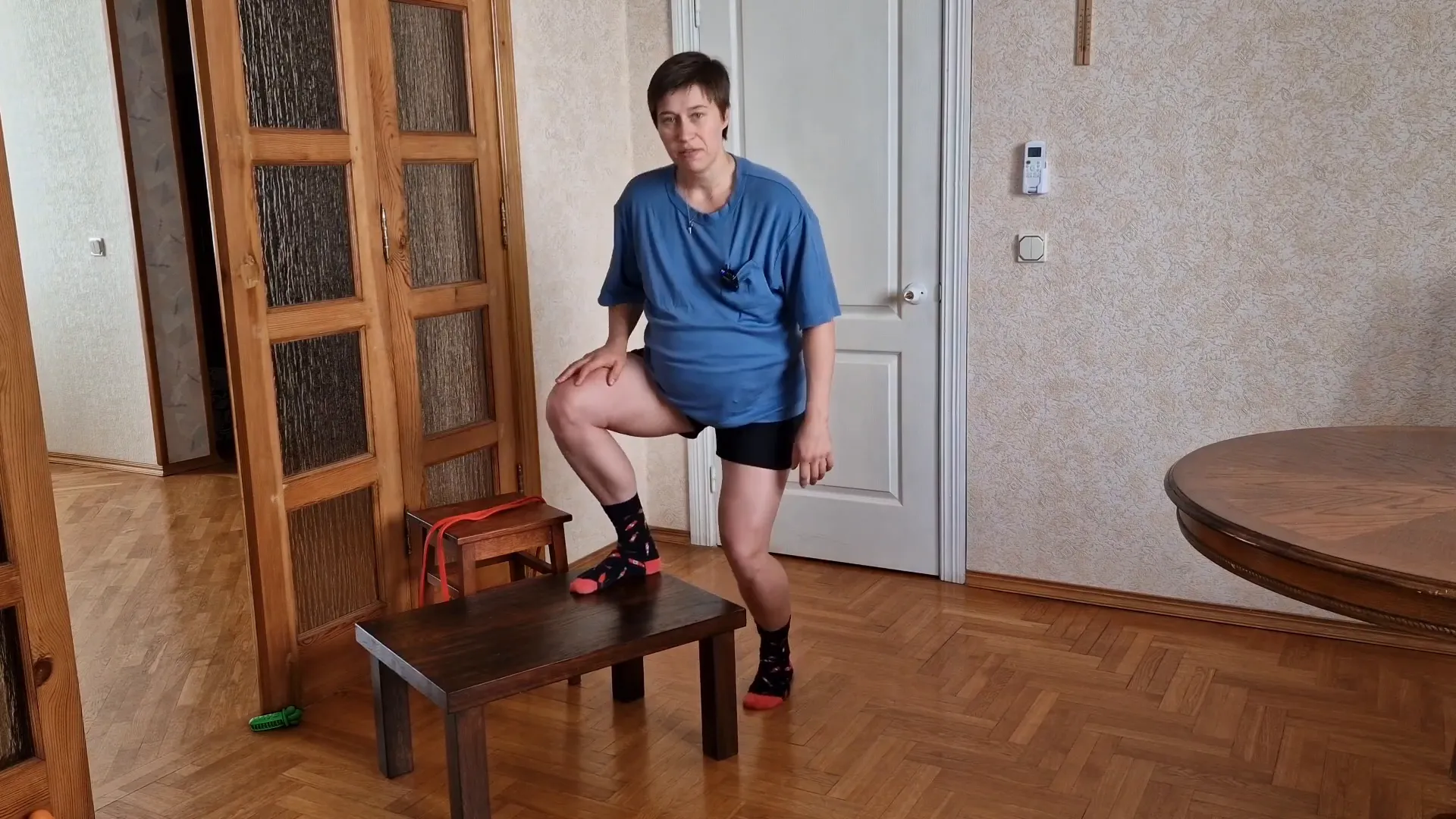
In my practice, I often use two different step heights to accommodate different levels of strength and flexibility. For example:
- A lower height (like a small table or box) allows for comfortable, controlled step ups using only the working leg.
- A higher elevation increases the difficulty by stretching the glute and loading the hamstring more intensely.
As you progress, you might find the higher step more challenging, and that’s perfectly fine. It’s normal to eventually reach a point where you start to use the bottom leg to push off or jump, which signals you’ve hit muscular failure for that height. At that point, it’s wise to drop back to a lower step to maintain proper form and maximize muscle engagement.
Common Mistakes to Avoid
Many people make the mistake of “hip popping” during step ups—this is when the hip shifts or tilts excessively to compensate for weakness or imbalance. I encourage my clients to keep their hip, knee, and toe aligned vertically throughout the movement. This alignment ensures that the load is placed squarely on the working leg muscles, not on compensatory movements.
Similarly, avoid relying on your hands or arms too much for support. Instead, use your body’s natural geometry to control the movement, focusing on the hamstrings, glutes, calves, and quadriceps of the leg on the step.
Addressing Leg Imbalances
It’s important to recognize that most people are not perfectly symmetrical. One leg might be stronger or more flexible than the other, which is completely normal. You might notice that one leg can step up onto a higher surface or perform the movement with better form.
If you experience this, don’t stress—simply adjust the step height or the range of motion for each leg accordingly. Using a slightly lower step for your weaker leg can help you build strength evenly without risking injury.
Additionally, lightly supporting yourself with two fingers on a barbell rack or another stable surface is acceptable, especially if it helps you maintain proper form. Just avoid gripping or pulling with your arms, as this can take the load off the working muscles.
How to Perform Step Downs for Better Control
If you find step ups challenging, step downs are a fantastic way to build strength and control in the same muscle groups.
Here’s how to do them:
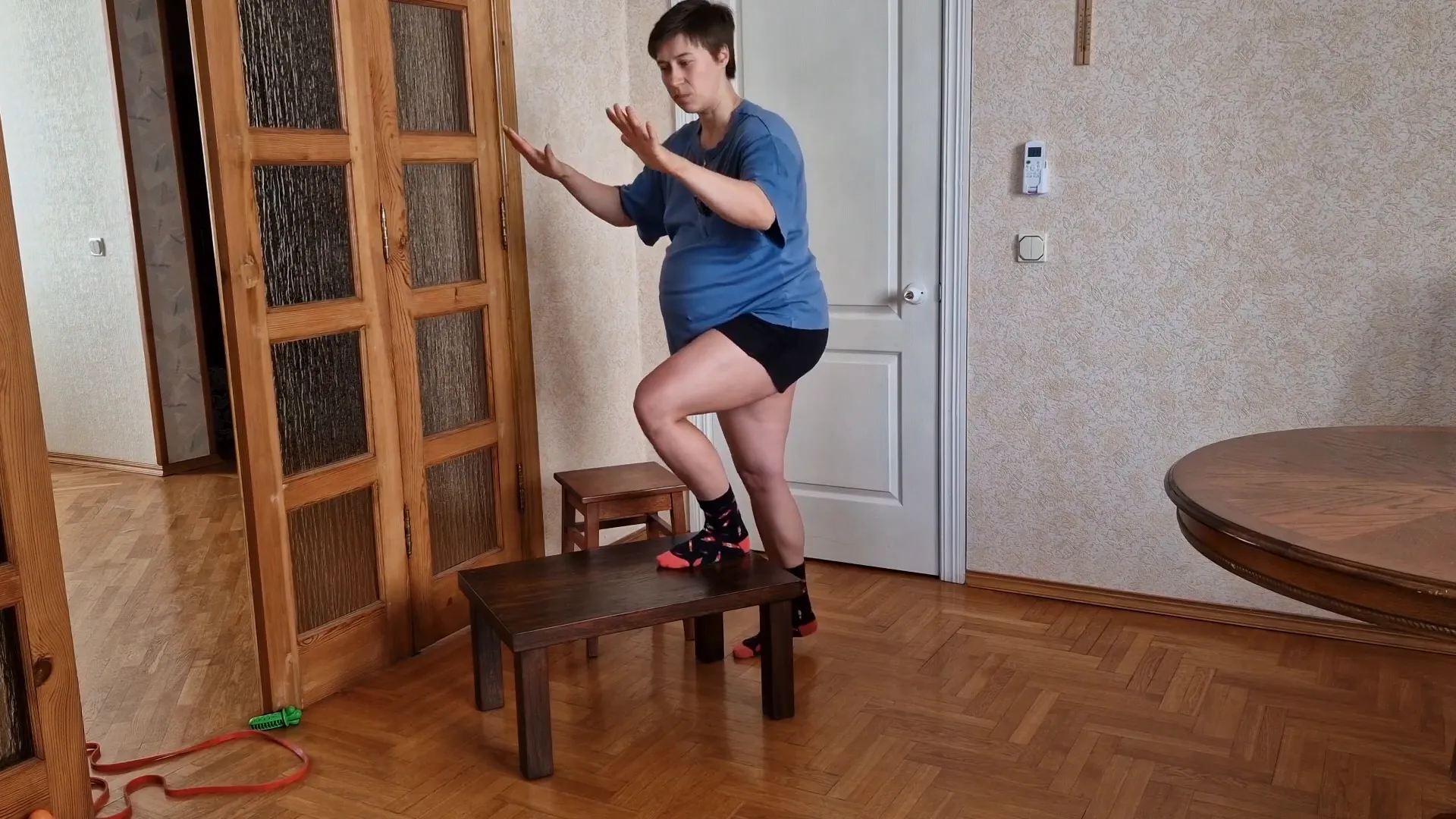
- Start by standing on the elevated surface with both feet.
- Use your bottom leg or your hands to help you get into this starting position if needed.
- Slowly and deliberately lower one leg down to the floor, focusing on controlling the descent.
- Once your foot touches the ground, push through the elevated leg to return to the starting position.
- Repeat for the desired number of repetitions, then switch legs.
This eccentric-focused exercise helps build strength in the hamstrings and glutes while improving balance and joint stability. Like step ups, you can do step downs with tempo variations or for time under tension to suit your training goals.
Incorporating Step Ups and Step Downs into Your Strength Training
If you're looking to improve your lower body strength, step ups and step downs are versatile additions to your program. Here are some tips for integrating these exercises:
- Warm-up or accessory work: Use step ups and step downs as part of your warm-up to activate the glutes and hamstrings before heavier lifts.
- Unilateral strength training: Include these exercises to address imbalances between legs and improve stability.
- Tempo training: Slow down the movement to increase time under tension, which promotes muscle growth.
- Rehabilitation or recovery: Use controlled step downs to build eccentric strength without overloading joints.
Remember, consistency and form are more important than speed or the number of repetitions. Focus on controlled, deliberate movements to maximize muscle activation and reduce injury risk.
Final Thoughts on Step Ups and Step Downs
Step ups and step downs might seem like simple exercises, but when done correctly, they pack a powerful punch for building strength in the glutes, hamstrings, and overall lower body. Mastering these movements can set a solid foundation for progress in your main lifts.
Pay attention to your form, control your movements, and adjust the step height to fit your current abilities. Don’t be afraid to use light support if needed, and always strive for proper alignment of your hip, knee, and toe. With patience and practice, these exercises will help you build strength, improve balance, and enhance your overall athletic performance.
If you want to explore more accessory lifts, main lifts, or recovery techniques, I encourage you to check out other resources and playlists available. Feel free to leave comments or ask questions -I love engaging with the community and helping you achieve your strength goals.
Ready to take your training to the next level, get stronger, improve your diet? |
|
Our team is here to help! Select from a list of our signature 1:1 custom programs or self-guided courses |
| See Programs |