

Nothing Prepared Me for This: My Emergency C-Section Story, Recovery and Lessons Learned
I went into childbirth expecting one path and ended up on another. I had planned a vaginal delivery, trained through pregnancy, and tried to prepare for every scenario. Still, things did not go according to plan. This is an honest birth story from someone who lifts weights, follows a plant-based lifestyle, and had an emergency C-section. My goal is to share what happened, what helped, and what I learned so other strength athletes can plan more effectively and set realistic expectations.
Why I’m sharing this
There is a tendency to assume that athleticism equals an easier birth. I want to be blunt: being strong does not guarantee a faster labor or easier recovery. That reality hit me hard.
If you lift weights regularly - everyone probably told you how much easier pregnancy, post partum and birth itself would be... only they have no idea athleticism and what uterus does isn't related at all.
Know this is not a failure - just a reminder that childbirth is complex and frequently unpredictable.
Weeks before labor: training and symptoms
I trained through pregnancy. At 38 weeks I was still deadlifting and squatting, though lighter than usual. Bench pressing got awkward because my diaphragm and ribcage changed with the baby’s growth, but I adjusted technique and kept moving. Around 39 weeks, a routine check revealed I was one centimeter dilated. My doctor warned that further vaginal checks might kick off labor, so I avoided extra exams. I also stopped intense training and other activities that could provoke labor on someone else’s schedule.
40 Weeks Pregnant
At 40 weeks pregnant, I was waiting for those famous contractions everyone swears you “can’t mistake for anything else.” At 39.5 weeks, I was already 1 cm dilated, so we were on standby to head to the hospital. I even stopped going to the gym. Finally 😆
I felt a constant low-level pulling under my belly. It was not the textbook contraction that forces you to stop and breathe, so I dismissed it for a while. I took a birth class that conveyed contractions to be unmistakable, but because my core was strong I barely felt them!
If you are a lifter or practice a sport that builds a strong midline, you might not sense contractions the way the books describe. That surprised me and probably delayed my understanding of how labor was progressing.
The thing is… I felt fine. No back pain, no belly pain, no trouble walking. Relatives visited, we moved furniture, worked in the garden, and I kept working to make sure clients are good to go for a few weeks after the delivery.
Sometimes in the evenings I’d feel a light pulling in my uterus, and my husband and I wondered: could this be it? But the discomfort was so weak and rare, it didn’t match any descriptions like “you won’t be able to talk, you’ll just breathe through it.”

When to go to the hospital
After a long walk one night the pulling got more frequent, but still mild. I timed what I thought were contractions - three within ten minutes - so we headed to the hospital around 2 a.m "just in case". The doctor confirmed labor had started, though I was still only 1 cm dilated. After 5 hours I was at 2 cm, and then… nothing. Then dilation stalled and contractions faded. A few hours later my doctor checked and noticed my waters looked greenish-brown and low. That was the turning point.
Why green water matters
Amniotic fluid that is green or brown usually indicates the baby has passed meconium - stool- into the fluid. That means the baby could have inhaled or swallowed it and may be in distress. Even if it isn’t an immediate catastrophe, it changes the risk profile. The team decided we needed to act. The first option was to try to get labor moving with Pitocin; the other was a C-section. We chose Pitocin as the least worst option at that moment.
Pitocin, intense contractions, and the epidural
Pitocin is synthetic oxytocin that increases the strength and frequency of contractions. For me it sat at a low dose for a while and then suddenly hit hard. The contractions became the worst pain I’ve ever felt - bending over the bed, drooling, gasping for air, crying, and unable to speak. I had wanted an unmedicated birth, but after an hour of excruciating contractions and no progress (dilation stuck at two centimeters) I asked for an epidural. The insertion was not the horror stories make it out to be; I felt nothing during the procedure and the pain eased gradually. The experience of your anesthesiologist matters.
4 hours later - still 2 cm 😑
Even with the epidural and increased Pitocin, dilation did not advance. My uterus was extremely tight and stubborn. The team discussed options and ultimately recommended a C-section. It was the responsible decision given the stalled labor plus green fluid.
What the C-section felt like and how it’s actually done
I had imagined massive cutting through every layer of my abdomen. The reality is different.
Surgeons make an incision through the fascia and then separate the abdominal muscles rather than severing them. They work with blunt instruments where possible to reduce trauma. Within that controlled area the baby was delivered. My son arrived at around 1:30 pm. The surgery was quick and smooth. The baby cried right away and had the golden 20 minutes with my husband, so the bonding and bacteria sharing happened between them.
When I saw how big the head was, I was honestly relieved it was a C-section 😅
Thank god we don't live in medieval times anymore when women who had to get C-section died, or their babies did or both. I had never thought of giving birth at home, but many people choose to, and hope that reading a story like mine diswades you from this dangerous idea.
ICU and Recovery
I spent the rest of the day in the ICU recovering from anesthesia and severe pain. The team gave stronger analgesics and anti-inflammatories. After surgery, I was sent to ICU. As the anesthesia wore off, everything inside the stomach hurt like it was just tossed around. To make it worse, random staff came in all the time, pressing on my stomach saying, “it is helpful to massage the uterus!” Right after an open abdominal surgery - wtf!? I wanted to punch each of them and report but most didn’t wear badges of course...
There were no call buttons, no clear communication, and half the staff didn’t bother to explain who they were. Internet was jammed around the hospital, so I couldn’t even update family until evening.
The only empathy I received was from the only dude doc - anesthesiologist and a young neonatologist lady. She said I wasn’t ready to leave ICU, but was transferred anyway. It took several hours for sensation to return to my legs and for me to be capable of moving without assistance.
Transferring out of the ICU After Surgery
By 8 p.m., Denis (my husband) finally joined me in the ICU where he's technically not allowed but I was in poor shape after a few staff members pressing on the belly without my permission. The ICU nurse made me walk to the bathroom, down the hall, into the elevator, and to the ward. Six hours after surgery. Why no wheel chair - I’ll never understand.
I was terrified my stitches would come apart, but every doctor insisted it was “healthy” to walk some 6 hrs after surgery - to prevent adhesions and blood clots. The pain was as bad as Pitocin contractions. I cried, drooled and could barely walk hunched over but we got to our room finally.
Finally Our Private Room
Once we got to our private room, things felt easier emotionally. Without Denis, I couldn’t have managed: I couldn’t sit upright from prone position or walk to the bathroom alone. We got a few hrs of sleep and reunited with the baby in the am. Denis handled diapers and swaddling. It is beyond me how women manage this alone...
Even in the private room, staff kept barging in day and night. Ironically, our baby slept through it all. At home, in the quiet, he suddenly slept worse 😅
Early recovery: movement, pain, and practical survival tips
The first three days were the hardest. Getting up, sneezing, coughing, and turning in bed were agonizing. I was terrified my stitches would come apart every time I moved. Everyone encouraged me to get up and walk to reduce the risk of blood clots and speed recovery. That is standard practice and it does help, but it is painful. I recommend having patient, hands-on support for those early steps - someone to help lift and steady you.

Here are the practical items and strategies that made a real difference for me:
- Glycerin suppositories. These tiny things were lifesavers for bowel movements. After abdominal surgery you cannot contract your core like normal, which makes pooping painful and difficult. The suppositories soften things and let you go without straining. I called them candles and used them for the first week. Bring them.
- Compression support or a corset. Wrapping the lower abdomen offers comfort while standing and walking. If you don’t have a postpartum corset, two cloths tied snugly under the incision can help stabilize the area. This is about comfort moving around, not aesthetics of your waist later on.
- Compression socks. Level one socks were enough while upright. They make walking less scary and help reduce the risk of clots.
- Electrolytes and easy snacks. Labor and recovery zap your energy. I sipped electrolytes during labor and kept snacks handy afterward. Hospitals often offer extra formula or food options when breastmilk is insufficient; it’s nice to know that backup exists.
- Distractions. Downloaded shows, a book, or podcasts help the long hours pass. My partner and I watched an anime series to decompress between checks and feeds.
Breastfeeding and milk supply
I had enough colostrum and milk for the first two and a half weeks, but supply changed as days went by. The hospital offered formula as a backup, which eased the pressure when things felt uncertain. Frequent feeding is normal, and it’s harder to manage when you’re healing from surgery. Take any help you can get and don’t be harsh on yourself if breastfeeding doesn’t follow a smooth trajectory.
Emotional recovery and baby blues
The first month after birth I experienced baby blues. Every time I reflected on delivery I found myself crying. Hormones, sleep deprivation, and unmet expectations contributed. Friends asked how things went; I often couldn’t tell the story without tears. In time the intensity eased, and writing down notes helped me process. If you experience strong or prolonged emotional distress, reach out to your healthcare provider. Postpartum mood issues are common and treatable.
What I wish I had known beforehand
- Athleticism doesn’t guarantee a ‘better’ birth. Strength, conditioning, or powerlifting does not determine how your uterus will behave or how your body will adapt during labor. Your fitness can help with stamina and recovery, but it is not a shield against complications.
- Prepare for multiple outcomes. A birth plan is useful, but flexibility matters. Discuss possible interventions—Pitocin inductions, epidurals, and C-sections—with your provider beforehand so the choices feel less jarring if they arrive in the moment.
- Bring the suppositories. Seriously. These will likely be one of the best things in your postpartum bag whether you deliver vaginally or by C-section.
- Support is essential. Practical help from a partner, family member, or close friend makes the entire postpartum period feasible. I could not have managed the newborn and my own care without my husband’s steady help.
The Cost - And the Outcome
Overall, we’re happy. Our doctor and midwife were amazing. The whole thing cost 70k rubles (about $850 US), which is a deal imho. Especially compared to a C-section birth in the US, even with insurance. Given mine was an emergency C-section I can't imagine what it would have cost. Please let me know in the comments how much your birth cost and what it was like!
Hospital bag checklist for a C-section or unpredictable labor
Pack for comfort and for real-life logistics. Here is what I recommend:
- Glycerin suppositories
- Heavy-duty maternity pads
- Compression socks (level one)
- Postpartum support band or cloths to simulate a corset
- Loose, comfortable clothing that sits below the incision site
- Toiletries and small towel
- Electrolyte drinks and easy, high-calorie snacks
- Phone charger, headphones, downloaded shows or reading material
- Diapers and basic baby supplies
When I returned to training
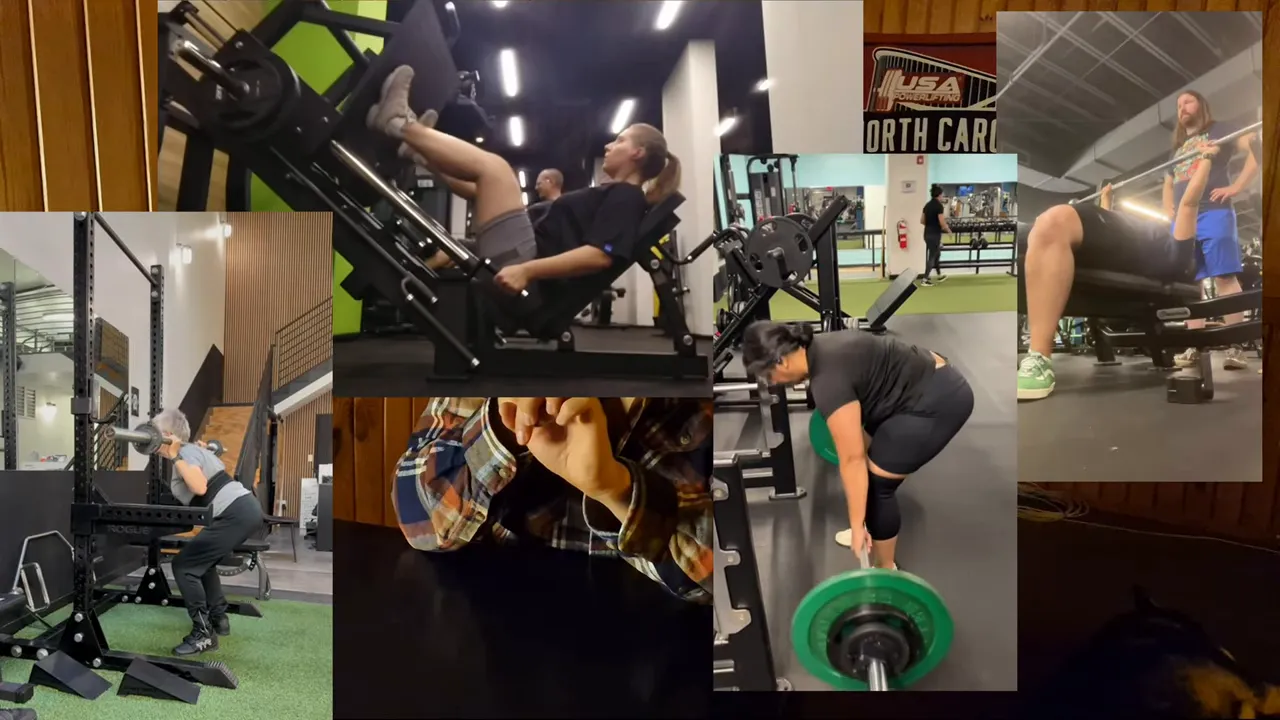
Two and a half weeks after the C-section I went back to the gym for light work. That timeline might sound fast, and it is not a universal recommendation. Recovery after major abdominal surgery varies widely. Consult your doctor and follow a gradual plan: walk frequently, maintain gentle core and pelvic floor engagement when approved, and slowly reintroduce resistance. Listen to pain signals and prioritize healing over PRs. If you want structured guidance for returning to training postpartum, working with a coach who understands both strength programming and postpartum physiology is invaluable.
Core and pelvic floor—what to expect
After a C-section your lower abdominal structures are healing. You can expect the following:
- A period of limited ability to contract the core
- Soreness and a burning sensation around the incision for a few weeks
- Vaginal bleeding and discharge for several weeks regardless of delivery method
- Need for pelvic floor work once cleared by your care team
Build strength back slowly. Focus on gentle breathing drills, pelvic floor activation, and progressive loading under professional guidance. The goal is long-term function and reduced risk of injury.
Medical perspective: when interventions are necessary
There are moments when surgical delivery is the safest option for mother and baby. Indicators include non-reassuring fetal heart rate, meconium-stained fluid, stalled dilation despite adequate contractions, and maternal exhaustion. These are not personal failures; they are clinical decisions intended to protect two lives. When the C-section was recommended for me, it felt like the only responsible choice given the circumstances. The pain of labor, the intensity of Pitocin, and the stalled progress made that decision clear.
Practical postpartum timeline
- 0–3 days: Intense pain with movement; require help standing and sitting; start walking short distances.
- 3–10 days: Pain reduces; standing and walking become more comfortable; start gentle daily activities.
- 2–6 weeks: Scars begin to feel less tender; mobility steadily improves; expect continued lochia and energy fluctuations.
- 6–12 weeks: Many feel ready to resume more normal physical activity depending on healing; clearances from doctors matter.
Final thoughts and encouragement
Childbirth can be emotionally complicated and physically demanding. No amount of lifts, clean eating, or mental toughness guarantees a particular delivery experience. I share this story because honesty helps others prepare without unrealistic expectations. If you are a vegan powerlifter strength training beginner women reader planning pregnancy or returning to training postpartum, take this as practical advice: train smart, prepare for multiple outcomes, pack wisely, and build a recovery plan that prioritizes long-term health.
If you are pregnant, consider discussing induction scenarios, pain management, and C-section possibilities with your provider ahead of time. Build a support system that can help with both baby care and your own recovery. Be kind to yourself. Birth is messy, powerful, and unpredictable.
"When things don't go according to plan, you end up making the least worst decision. That’s how you mitigate risk and protect both mother and baby."
Share your birth story or questions - real experiences build better preparation for every parent-to-be. If you want coaching to support training through pregnancy and postpartum, seek someone who combines evidence-based strength programming with compassion for the unique recovery journey after birth.
Ready to take your training to the next level, get stronger, improve your diet? |
|
Our team is here to help! Select from a list of our signature 1:1 custom programs or self-guided courses |
| See Programs |