
COMPLETE GLUTE BUILDING STRATEGY - Size, Strength and Longevity
If you're looking to build a strong, shapely, and resilient posterior chain, this guide is for you. I'll walk through why glutes matter, the anatomy you need to know, the exact exercises that move the needle, and a practical week-by-week approach you can follow even with limited time.
Why strong glutes matter
The glutes are the main stabilizers that keep your hips and spine working correctly. Think of them like the bend in a straw - they allow controlled hinging without breaking. Building the glutes is not just about aesthetics. Strong glutes improve posture, protect the lower back, boost performance in squats and deadlifts, and reduce injury risk.
Weak or tight glutes force other structures to compensate. Your knees, lower back, or hips will pick up the slack, often causing pain or limiting progress. Treating the glutes as a priority is a high-leverage choice: they unlock better movement and bigger lifts.
Understanding Anatomy

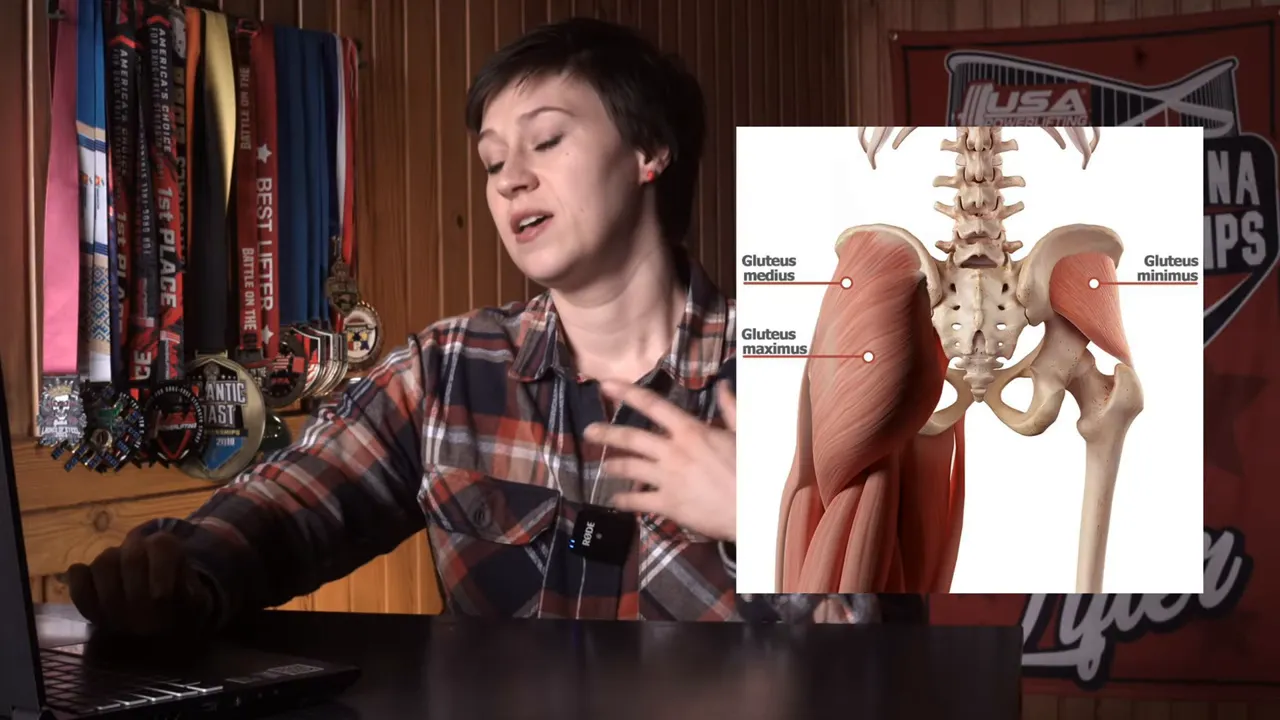
Gluteus maximus
The gluteus maximus makes up the majority of your booty. It drives size and is responsible for the majority of your hip extension when you stand up from a squat, sprint, or hip thrust. Prioritize moves that load the glute while it is stretched and then contracted.
Gluteus medius
The glute med stabilizes the pelvis and shapes the side of the hip. It prevents pelvic drop during single-leg work and gives that rounded look on the side of the hip. Exercises like lateral lunges, fire hydrants, cable abductions train glute medius.
Gluteus minimus
The minimus lies deep and assists the medius. It adds upper hip definition and benefits from targeted isolation such as clamshells and sidelying hip raises.
Core principle: load the glutes in a stretched position
If you want growth and strength, load the glute while it is stretched and then drive it to contraction. Walking and everyday activity won’t produce significant hypertrophy. The training priority is compound movements done through full range of motion, followed by hinge patterns and focused finishers.
STEP 1: Foundational compound lifts
Compounds allow you to load heavy and recruit the entire posterior chain. Glutes have to work - they're in the middle of it!
FULL DEPTH Barbell back squat
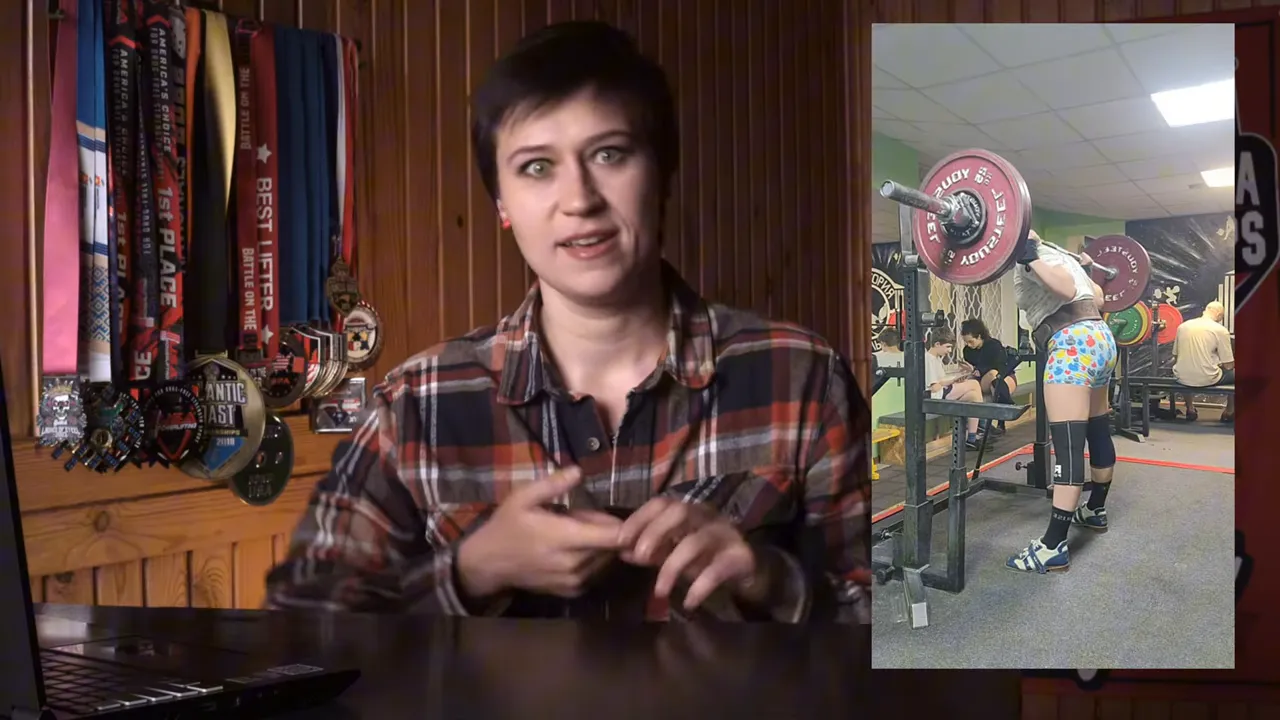
Full-amplitude back squats that take the hip into a stretched position will do more for your glutes than half squats, no matter how heavy. Prioritize range of motion over ego lifting. If you want both strength and size, alternate heavy, efficient squats (powerlifting style) with slower, tension-focused sets (bodybuilding style).

Lunges and deficit lunges
Stationary lunges, whether on a Smith machine, with a barbell, or elevated front foot, let you load the glute at the bottom and minimize wobble. Deficit lunges increase stretch and are excellent for growth. Replace long walking lunges if your goal is maximal loading and hypertrophy.
Bulgarian split squats and leg press (feet high)
Bulgarian split squats are awesome for unilateral strength and hypertrophy. On the leg press, placing your feet higher on the platform shifts emphasis to glutes and hamstrings by increasing hip flexion and stretch.
STEP 2: Hinge pattern work
Hinge exercises emphasize hip extension under load, which is essential for posterior chain size and strength. Combine stretch-focused compounds with hinge work for full-spectrum development.
Romanian deadlifts, hip thrusts, good mornings
RDLs and good mornings offer a lot of stress for the glutes with relatively low weights at maximum glute stretch. Hip thrusts are the exact opposite: they are the hardest at the top, when your booty cheeks are contracted fully and offer a different stimulus. Both are important for strength and size. Perform them with control and aim to feel the glute do the work rather than the low back or quads.
Kettlebell swings
Swings are a dynamic hinge that teach explosive hip extension and a powerful posterior chain lockout. Use them as a speed-strength tool after heavier compound sets to reinforce hip drive. Awesome warmup for deadlifts or high rep burnout after heavy squats.
STEP 3: Back extensions and reverse hypers
Back extensions and reverse hypers offer a unique stimulus: loading the muscles while your back is in tension! the hard part becomes the top glute squeeze, not the bottom stretch just like with hip thrusts. Reverse hypers are excellent for rehabilitation building strength safely, especially for lifters with back injuries. Most of us have back hernias, they are just not hurting acutely.
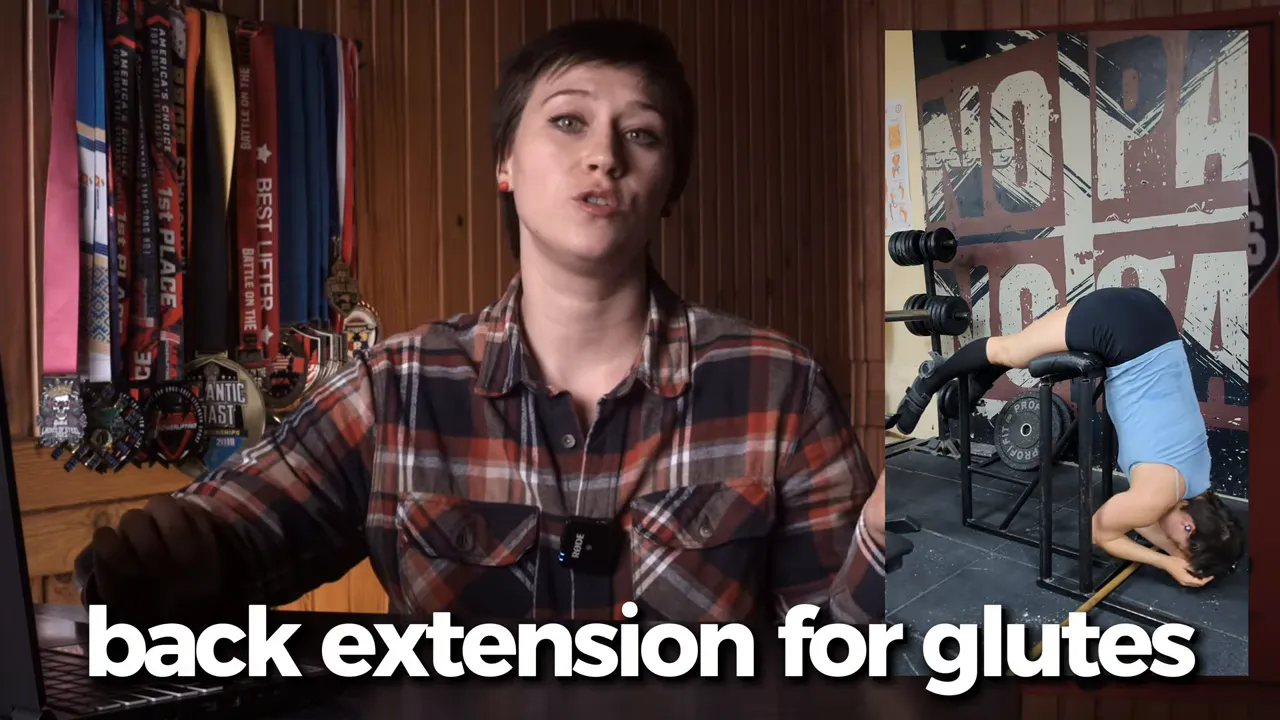
Use back extensions as a warm-up to pump the posterior chain (3 sets of 10) and finish with 2 sets of 10 to 20 reverse hypers for a glute-focused burn. Teach your back to recruit large muscles when you need them rather than body relying on small intraverbal stabilizers and skeletal struture.
STEP 4: Isolation and activation
Isolation work targets medius and minimus and corrects firing patterns, and pain free lifting. These exercises are fantastic finishers or activation tools, not primary builders. I used to hate on activation, but ya know - not all of it is bullshit! Can't rely on building size with these exercises alone, but they are still useful tools to add to your training.
- Clamshells and sidelying hip raises for minimus
- Cable abductions and side step-ups for medius
- Donkey kicks and cable kickbacks for burnout
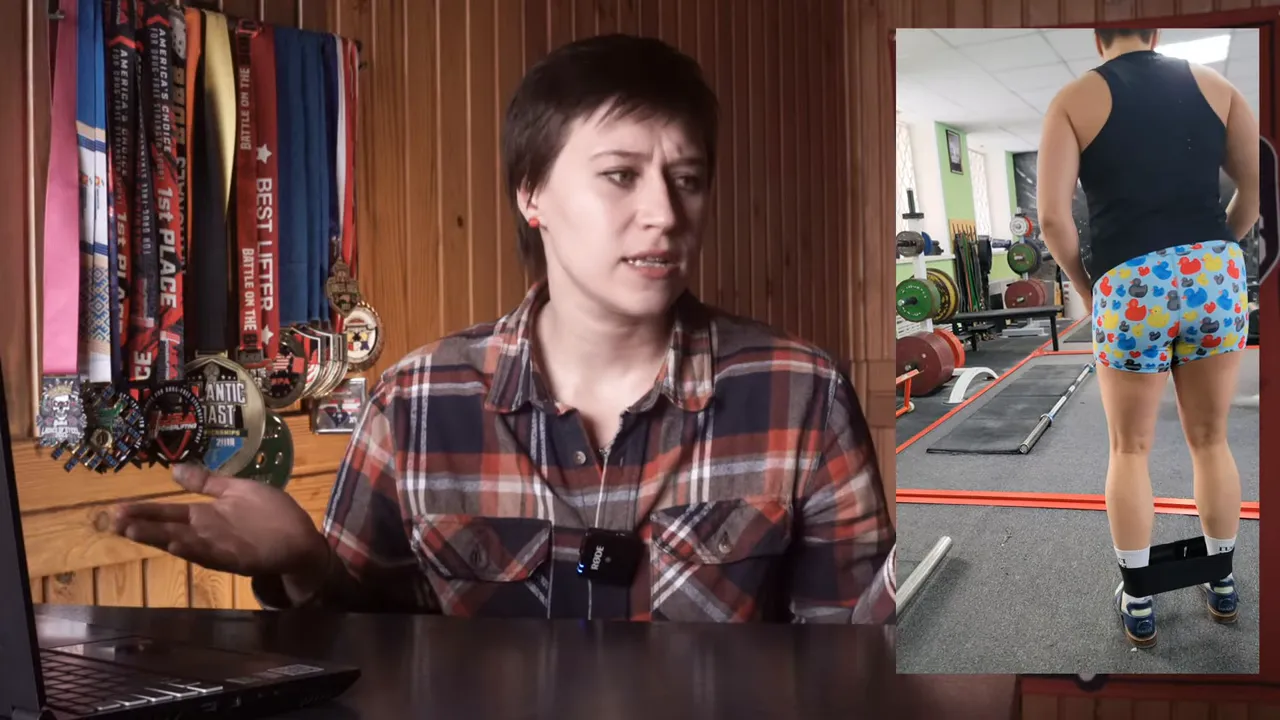
Single-leg step-ups or band work before heavy lifts can help warm up your booty for more thoughtful heavy squats and better mind muscle connection. However, never rely on isolation exercises alone. They make compounds more effective, but are not enough alone.
Programming your workouts
A practical flow for your glute workout may look something like this:
- Warm-up: dynamic mobility and unloaded hinge patterns
- Activation sets: 1-2 light sets of a medius-focused or lateral movement
- Main compound: squats or heavy unilateral work (3-6 sets)
- Hinge accessory: RDLs, hip thrusts, or good mornings (3 4 sets)
- Back extensions or reverse hypers: 2-3 sets for posterior pump
- Isolation finisher: 2-3 sets to failure of medius/minimus work
For hypertrophy, work in rep ranges that create time under tension: 6–12 reps for main sets and 10–20 for finishers. Mix heavier low-rep strength phases periodically to increase the kilo capacity you can handle on compound lifts.
Step 5: Warm-up, bracing, and core integration
Compounds build a strong core. Before you start isolation work, make sure you can brace effectively. Watch my tutorial if you don't know how to brace.
If you cannot separate bracing from hip movement, your isolation sets will be less effective and risk compensatory movement.
Practice bracing with light loaded squats and hinged movements. That trains the nervous system to use the glutes as intended and helps you feel when the glute is actually firing.
Step 6: Stretching and mobility
Muscles are stronger when they can get into a slightly stretched position. If your ass is tight, you will lose range of motion and put extra stress on the knees and lower back. No bueno. Stretching is a performance and injury-prevention tool.
Simple daily habits help: stand up from your desk twice a day, perform thoracic mobility drills, and do glute-focused stretches. Addressing tightness reduces butt wink at depth and helps you achieve deeper, safer squats.
Common mistakes and how to avoid them
- Chasing weight over range of motion - If you half squat or cut depth to move more load, you miss the glute stretch that drives growth.
- Overdoing isolation only - Bands and clamshells are great finishers, but without a compound base you will struggle to create meaningful hypertrophy.
- Ignoring legs - Strong quads and hamstrings make the glutes look and perform better. Don’t skip leg work out of fear of getting "too big."
- Poor bracing - A weak core makes hinge patterns inefficient and reduces glute recruitment.
Sample Week of Workouts
This template is just an example designed for the gym noobs who want straightforward progress without overcomplication. Train legs twice per week with one higher load session and one higher volume session.
Week structure (example)
- Day A - Strength: Heavy squat focus + RDLs + back extensions
- Day B - Upper body or active recovery
- Day C - Hypertrophy: Bulgarian split squats + hip thrusts + isolation finishers
- Day D - Upper body or conditioning
- Day E - Optional light posterior chain day or mobility work
Day A (example)
- Back Squat: 4–6 sets x 3–6 reps (full depth)
- RDL: 3 sets x 6–8 reps
- Back extension: 3 sets x 10 reps
- Banded lateral walks or clamshells: 2 sets x 20 (light activation)
Day C (example)
- Bulgarian Split Squat: 3–4 sets x 8–12 reps
- Hip Thrust: 4 sets x 8–12 reps
- Leg Press (feet high): 3 sets x 10–15 reps
- Reverse hyper or glute bridge finisher: 2 sets x 12–15
Nutrition and recovery notes
Growth requires calories and protein. Prioritize adequate protein (1.5-2g per kg lean body weight is a good start), sleep, and progressive overload. Plant-based protein timing and sufficient daily calories are the practical levers to make the training stick. Recovery is where you build, so reduce stress and adjust volume when necessary.
Practical checklist to start today
- Pick two compound lower-body days per week: one heavy, one higher volume.
- Always aim for full range of motion on squats and lunges.
- Add one hinge-pattern exercise each session (RDL, hip thrust or good morning).
- Use one glute-focused back extension or reverse hyper as a warm-up/finisher.
- Finish with 1–2 isolation exercises for medius/minimus twice a week.
- Stretch or mobilize glutes daily, especially if you sit a lot.
Your butt is not a shallow goal! It's a foundation of a healthy back, knees and yes - a status symbol
Building strong, shapely glutes is a combination of smart exercise selection, consistent progressive overload, and respect for mobility and recovery. The most impactful strategy is simple: heavy compounds through full range of motion, hinge work to reinforce hip extension, and targeted isolation to clean up weaknesses.
Your butt is not a shallow goal! It is a functional ASSet (sorry, how could I not) that supports your spine, improves lifts, and signals consistent effort. Treat it as a priority, follow a sensible program, and you will get stronger and look the part.
If you want a personalized plan tailored to your schedule, experience, and goals, I offer consultations where we map out a clear, efficient strategy for progress. Put in the work and the results will follow.
Ready to take your training to the next level, get stronger, improve your diet? |
|
Our team is here to help! Select from a list of our signature 1:1 custom programs or self-guided courses |
| Schedule a Free Consultation |