
72-Year-Old Nun Beat California Bench Press and Deadlift Records
As a coach passionate about empowering women through strength training, I’m always excited to share stories that inspire and educate. One of the most rewarding experiences I’ve had recently was working with Pat, a 72-year-old Bay Area Dominican nun, preparing for her very first powerlifting competition. By 73 I coached her into beating California State Records in bench press and deadlift.
Her story is a powerful example of how vegan women can redefine what it means to be strong, regardless of age or background. In this interview I asked Pat to share some of her experience learning to strength train, reflecting on us working together as a coach+ trainee duo and share her best mindset tips and recipes! Enjoy!

Tell us abour yourself, Pat!
I am Pat Farrell, a 73 year old powerlifter. I am also a Dominican Sister, often referred to as a nun. With USAPL I am in the 70kg weight class and compete in Masters 4. At my last competition on January 24, 2026, I achieved records for bench press at 40kg and for deadlift at 82.5kg.
I started training with Katya in February 2025, and went to my first competition in July 2025. It was great fun, and I went with a group from my gym. So I didn’t feel alone. I lifted weights that were within my capacity. I had tested them in the gym before, so I had confidence to do it. I felt like Katya, my coach, and folks at the gym – also in preparation – had helped me to approach the competition without too much anxiety.

What was your best competition like?
My best competition was my most recent, which was also my second competition. What helped was that I knew what to expect. That didn’t keep me from being keyed-up for my first lift. But I settled down and still got a PR on the bench press. When I got to the deadlift I was thrilled to have lifted a weight that I hadn’t even been close to in practice. It was an overall great experience, and I experienced the “high” for some days afterwards.
How many years did it take for you to get impressive in the sport?
This is eleven months of training that brought me here. So, this is surely some newbie gains that I’ve achieved with consistent training and good programming.
My coach believed in me, and helped me believe in my ability to do this.
There are days that I don’t feel like going to the gym, though I have not really thought of quitting. What has helped me is that I put dates on my calendar that I’m going to work out. They are like appointments, and so I keep them. I find that, even if I start the morning feeling sluggish, I am always the better for having worked out. It is both a physical an mental win!

What does your week of training look like?
I don’t need a lot of variety in exercises, but since I’m working with compound exercises (squat, bench press, and deadlift), I don’t do all of them every day, and there are variations on techniques. I can’t say that I enjoy the deadlift, but my body – in particular, my back – has benefitted from it so much, I wouldn’t want to give it up. I feel like I hold my body differently now.
When I pick up the barbell, I feel like Wonder Woman!!
What I like is the bench press. Gains aren’t as quick with that, but I find it to be satisfying. And it doesn’t tire me quite as much as the squat and deadlift. And I’ve got more work to do on squatting before my depth is ready for prime time.
Why did you go vegan? How does the switch lay across the timeline of your athletic career? Do you notice more drive to excel to prove a point or performance differences?
I was vegan (mostly) prior to taking up powerlifting. Certainly, the primary reasons for this is for the animals and for our planetary health. Nonetheless, I believe I have maintained great health because of eating a primarily whole food plant-based. I can’t say how my diet fuels my performance, as I have eaten this way for over 12 years.
I don’t have any of the “usual” health concerns of many my age and younger, such as diabetes, high blood pressure, or high cholesterol. Diet and exercise are my allies.
Favorite high protein recipe or a time proven staple meal
I enjoy a few different seitan recipes, and try to keep them simple. Often I’ll make simple buns, cut them in half, slather them with hummus, and top that with either sauerkraut or kimchee. A staple for me is red lentil protein pasta (from Trader Joes), with marinara, veggies, and tempeh or TVP. I change around the kind of veggies or protein.
What does your day of eating look like?
For breakfast on a workout day, I rely on a protein smoothie, and on days I don’t go to the gym, I make oatmeal, adding tvp to it for extra protein. At lunch I may have that favorite pasta dish with some salad where I’ll throw in some dry roasted edamame beans. At dinner I might enjoy an Impossible or Beyond Burger. Yes, I know it’s processed food, and I enjoy it. I like to serve the burger on a Dave’s Killer Everything Bagel. For a treat during the day, I enjoy a Ninja Creami dessert that uses soy milk, silken tofu, and protein powder.
Favorite vegan athlete myth & response busting it
I guess it’s that vegans can’t get strong on a plant-based diet. The evidence is right in front of us. All people neeed to do is look around. We are here, and we aren’t going away!
Whether you’re just starting your own strength training journey or looking to refine your approach, I hope Pat’s story motivates and inspires you!
How did Pat make progress so quickly after staying the same for years?
When Pat first reached out, she sent me pictures of her workout equipment at home - a mix of bands, dumbbells, TRX, kettlebells, and even a tiny home barbell. It’s not common for many women, let alone a 72-year-old nun, to have a barbell in their apartment, so I knew right away she was serious.
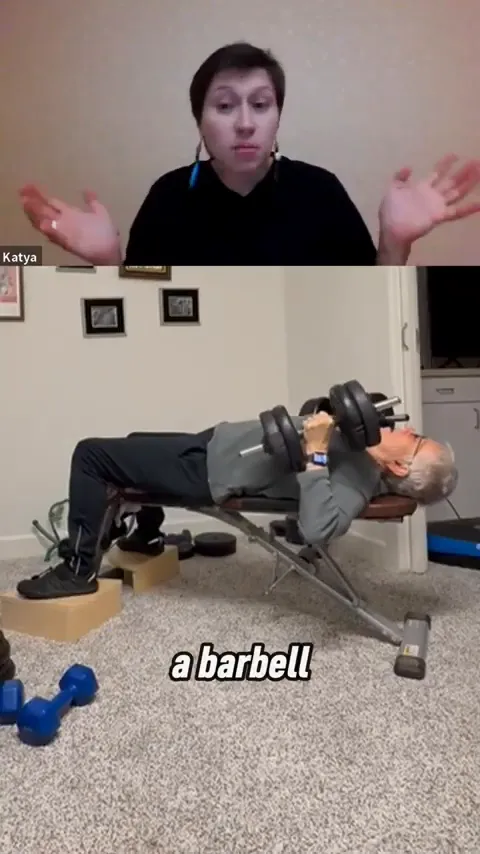
Pat’s initial goal was to lose a little weight, get stronger, and possibly prepare for a powerlifting competition. She wanted to lift at home, which is a great starting point for many beginners. I began by writing her a program tailored to the equipment she had and her goals. However, it quickly became clear that Pat was too strong and ambitious for just home workouts.
This is a common scenario I see with beginners: they come in with a strong foundation or enthusiasm, but their equipment or environment limits progress. That’s when I encourage stepping into a gym where a lifter can access the training environments designed for their goals. The gym trumps home progress x2 or x3. Gains more strength for the same time and effort input which is what we want!
"I perform much better if I have a why of doing it."
One key element Pat mentioned was how important it was for her to have a “why” behind her workouts. Like we all - she performs much better when she understands the purpose of each exercise, not just going through the motions. This is crucial for beginners: no why = usually not enough motivation to push through the unpleasant exercises such as ankle PT and post workout stretching.
From Home Workouts to the Gym: Pushing Beyond Comfort Zones
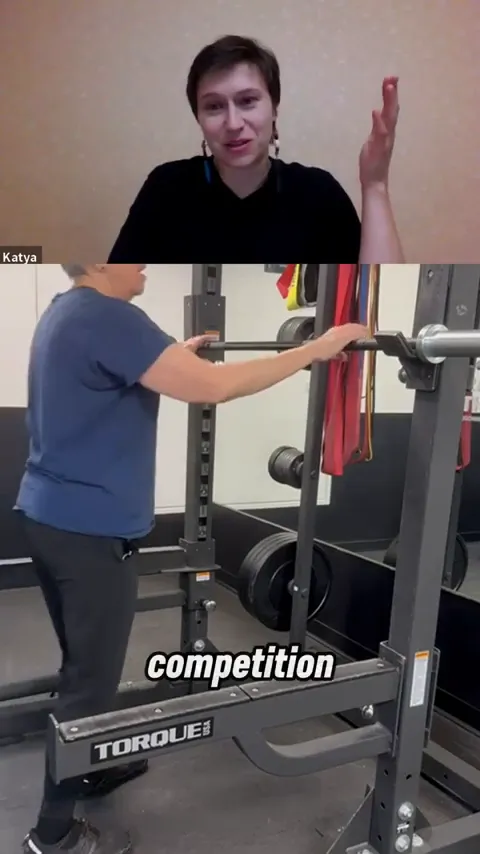
After seeing Pat’s strength and enthusiasm, I encouraged her to move beyond her apartment workouts and into the gym. This shift was not just about access to better equipment but about training with the big girl equipment, calibrated weights and competition style barbells, not make-do home weights. The gym has competition-appropriate benches, barbells, and a community that can support her powerlifting ambitions.
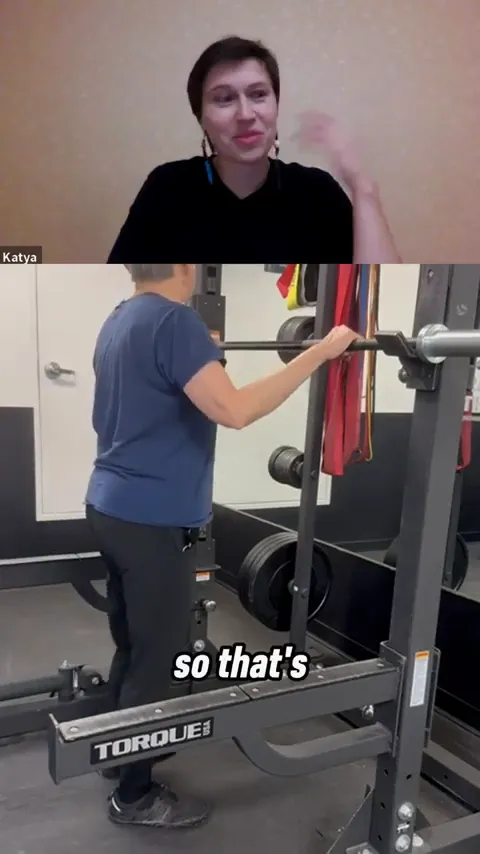 Transitioning from kettlebells and adjustable barbells at home to standard powerlifting equipment in the gym can be intimidating and that's ok!
"The adjustable type of barbell thing that I had - that’s where you put the little weights together - and I mean, it’s not the same as what I would be lifting in competition. It was real clear to me once I went to a gym where they had a barbell."
That moment when she first lifted a barbell loaded with big plates was a game changer for her. It was the kind of experience that transforms your relationship with strength training - from a casual exercise routine into a serious pursuit of power and skill.
Why Pushing Limits Matters
My role as a coach is to push clients gently but firmly beyond their comfort zones and emimilate obstacles on our strength pursuits. For Pat, this meant moving from home workouts to a powerlifting gym and eventually signing up for her first competition. It’s not just about physical strength but also about mental resilience - embracing new challenges, learning propper exercise technique and trusting the process. Pat’s willingness to be pushed into unfamiliar territory was one of the reasons she has been so successful so far and is highly likely to continue progressing past beginner gains.
The Power of Video Feedback in Coaching
One of the coaching tools I rely on heavily is video feedback. Pat emphasized how this was different from her past experiences with online coaching, where her questions often went unanswered, and she didn’t receive detailed feedback on her form.
I always insist on video submissions from my clients because what they tell me and what I see in the video can be very different. They can tell me RPE 5, and I see that it's pretty much failure on one lift, and assure me there's no room to add weight on the bar where I see RPE 8 tips. Through the years of coaching I've learnt to only trust my eyes and teach clients to do the same: check their own videos between sets.
One can only learn from noticinng movement patterns, personal strengths and weaknesses to capitalize over those overtime. This is where the online coaching beats in person every time long term results wise: in person clients focus on doing well under supervision in the moment and usually forget what they've learnt during the expensive session. Then they go home to drink beer and eat pizza... Next time they're in the gym ALONE they just can't replicate the experience with the trainer and quit. Online clients don't have the luxuty of relying on the coach's brain. they have to think on their own: where do I move my knees during the squat descent? what's the strong starting hip position for the deadlift? etc. they have to recall the written feedback i gave them after reviewing their videos and try to apply it on their own.
This is how they learn new skills
This system has brought success to clients before Pat and will continue to work for more beginner, intermediate and advanced lifters who train with me.
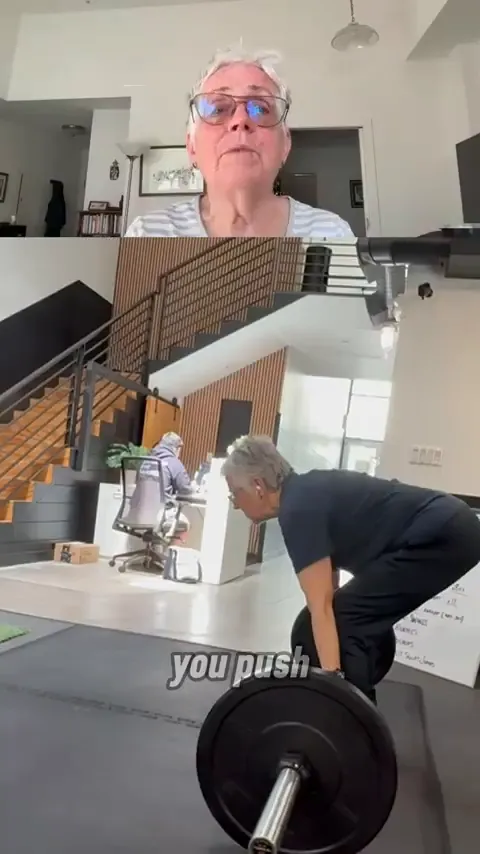
Pat appreciated me “harassing” her with video feedback, to ensure success and safety. This level of engagement helps beginners avoid injuries and build confidence as they learn new lifts.
Why Video Matters More Than You Think
When you’re starting with powerlifting (or any strength training), it’s easy to think you’re doing an exercise correctly. But subtle errors can limit progress or cause injury. Video feedback allows me to:
- Spot athlete's strong and weak points right away
- Identify form issues early before they solidify
- Provide personalized cues and drills
- Track factual improvements over time (vs what a client told you they did)
This approach builds a strong foundation and avoids common pitfalls.
Building Strength and Confidence for Competition
After months of consistent training, coaching, and pushing boundaries, Pat has competed in two powerlifting competitions and won push-pull in both, setting a California State Record in her latest meet! This is a huge milestone, especially for someone who started with home workouts and limited equipment.
Most women don't realize how strong they are and how much they can learn in a short period of time simply because they are afraid to get injured and don't know what is required to progress safely yet consistently. A structured program under coach's supervision eliminates these doubts.
Pat's journey exemplifies how age, lifestyle, and dietary choices like veganism don’t have to be barriers to strength sports. In fact, I believe they can be advantages - fueling faster recovery, improving cardiovascular health, and enhancing longevity from higher bone density and amount of skeletal muscle.
Lessons from Pat’s Powerlifting Journey
- Start where you are: You can progress from home and minimal equipment, yes, but not forever. Be open to upgrading your training environment as you grow. Joining a gym would expedite progress.
- Have a clear why: Understanding your long term purpose helps you not quit when the going gets tough.
- Seek responsive coaching: Your coach and you are a team, so ask questions and absorb the feedback that challenges and supports you.
- Embrace video feedback: Fire a coach that doesn't give you personalized feedback based on how you lift. Embrace form critique coach provides so you can improve as quickly and injury-free as possible. Your progress is your coach's best interest.
- Push beyond comfort zones: Growth happens outside the familiar.
Final Thoughts: Strength Has No Age Limit
Coaching Pat has been a reminder that strength training is for everyone. Her journey from home workouts with limited equipment to preparing for her first powerlifting competition at 72 years old is a testament to what vegan women can achieve with the right mindset, coaching, and support.
Strength is not just physical - it’s mental and emotional. It’s about pushing through doubts, embracing challenges, and celebrating every milestone. I’m honored to be part of Pat’s journey and excited to see where her powerlifting path takes her.
If you’re ready to start your own strength journey, remember: it’s never too late, and you don’t have to do it alone. Fill out the coaching application below - let’s get you strong too!
Ready to take your training to the next level, get stronger, improve your diet?
Select from a list of 1:1 custom programs or self-guided courses
Coaching Application